
A COMMUNITY FESTIVAL FOR HEALING, LEARNING, AND EMBODIMENT.
AUGUST 15th 2026
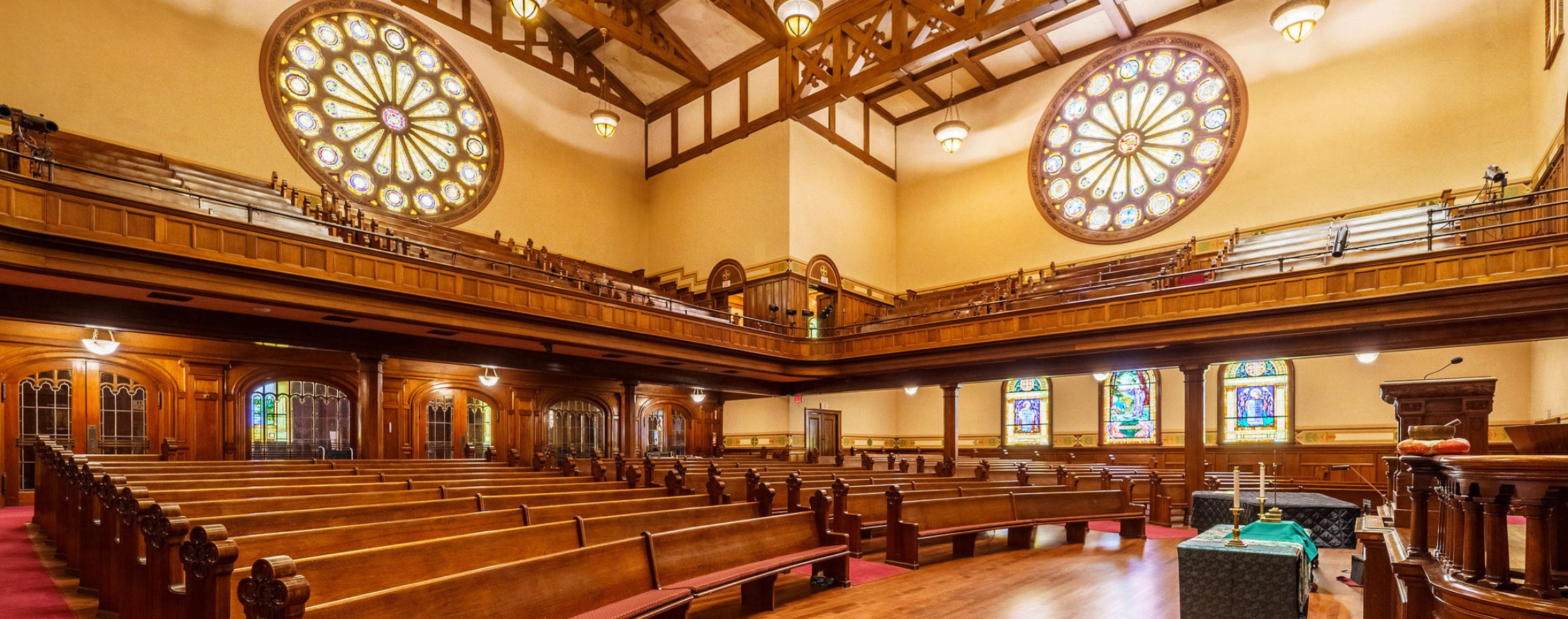
At The First Congregational Church of Long Beach
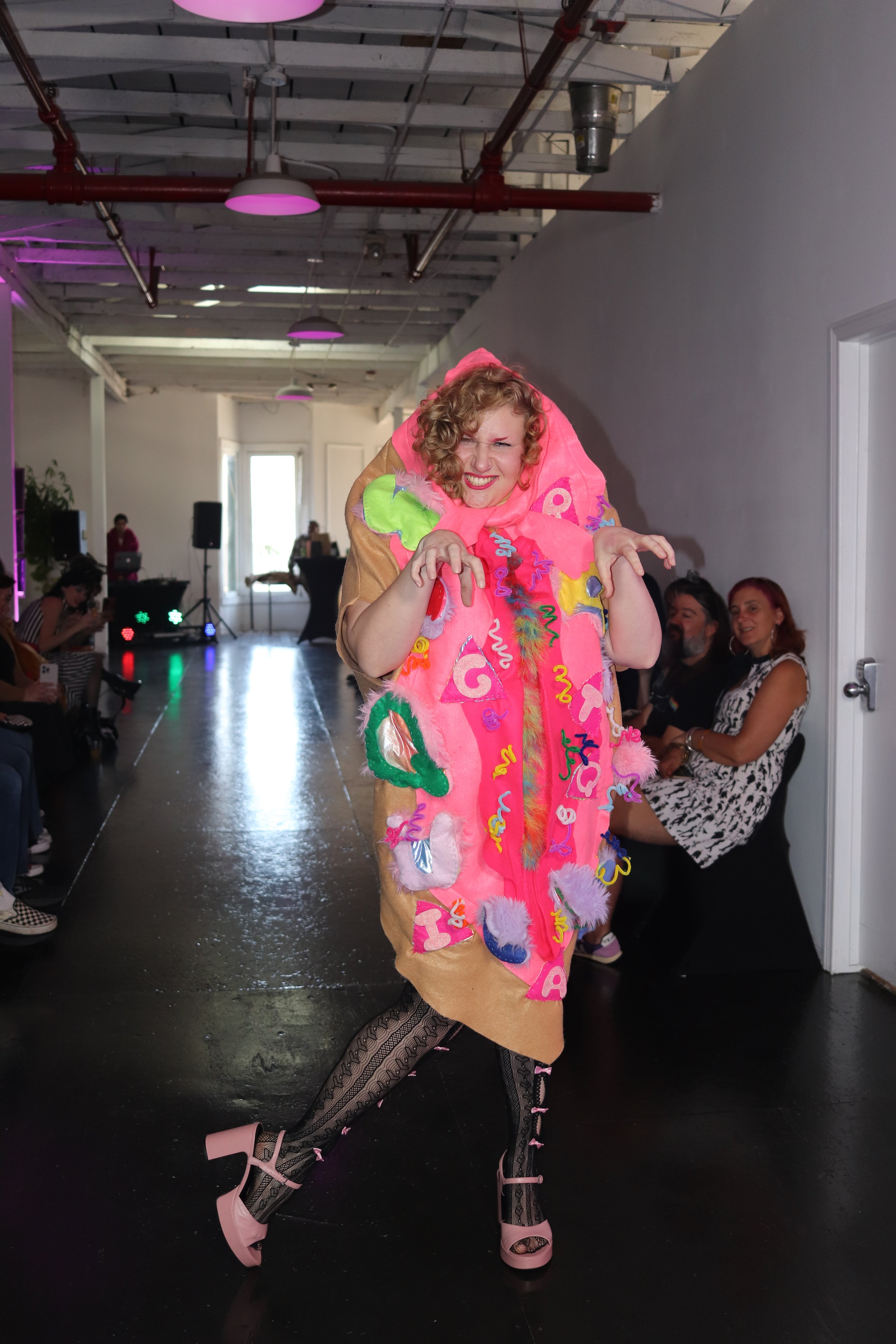
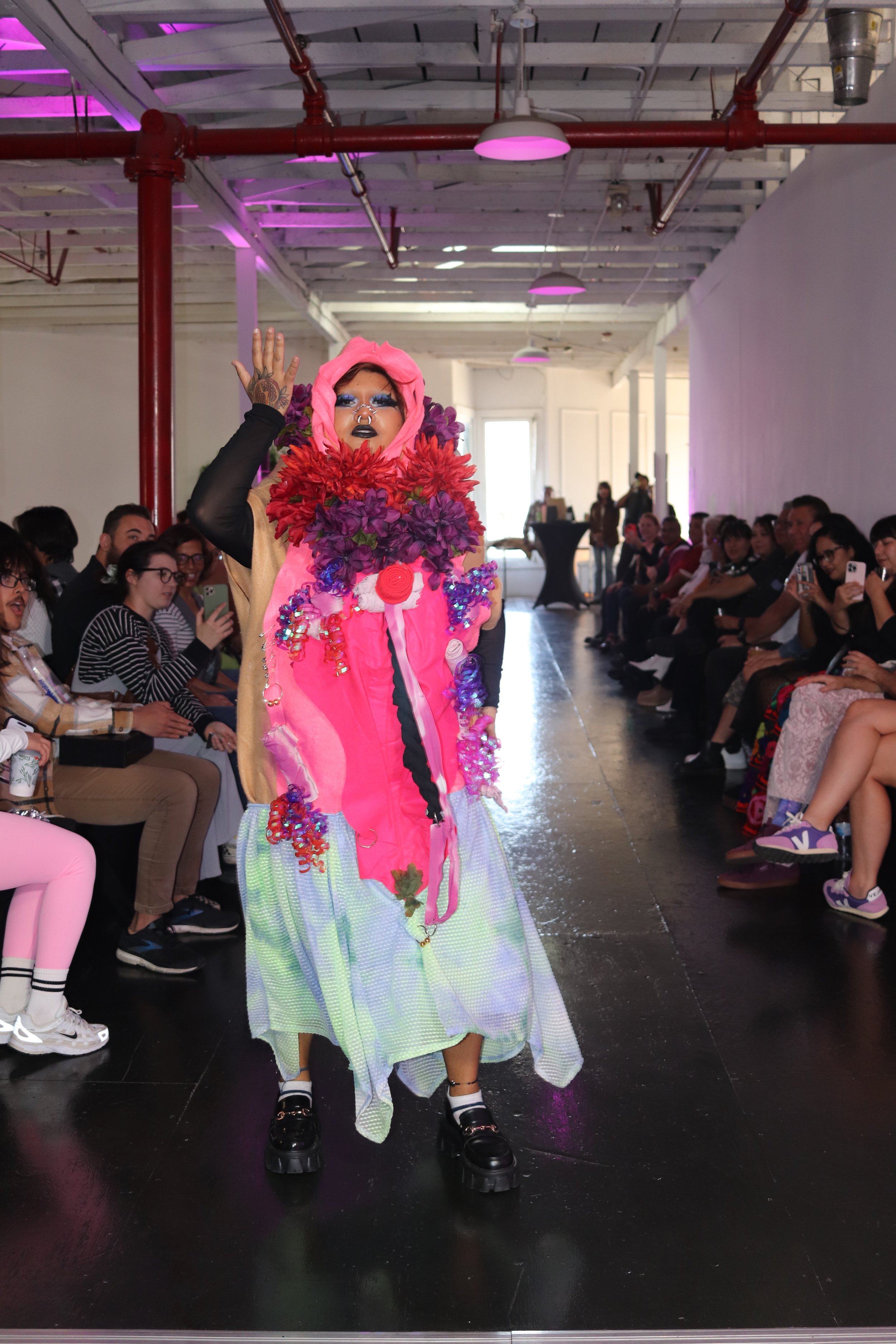
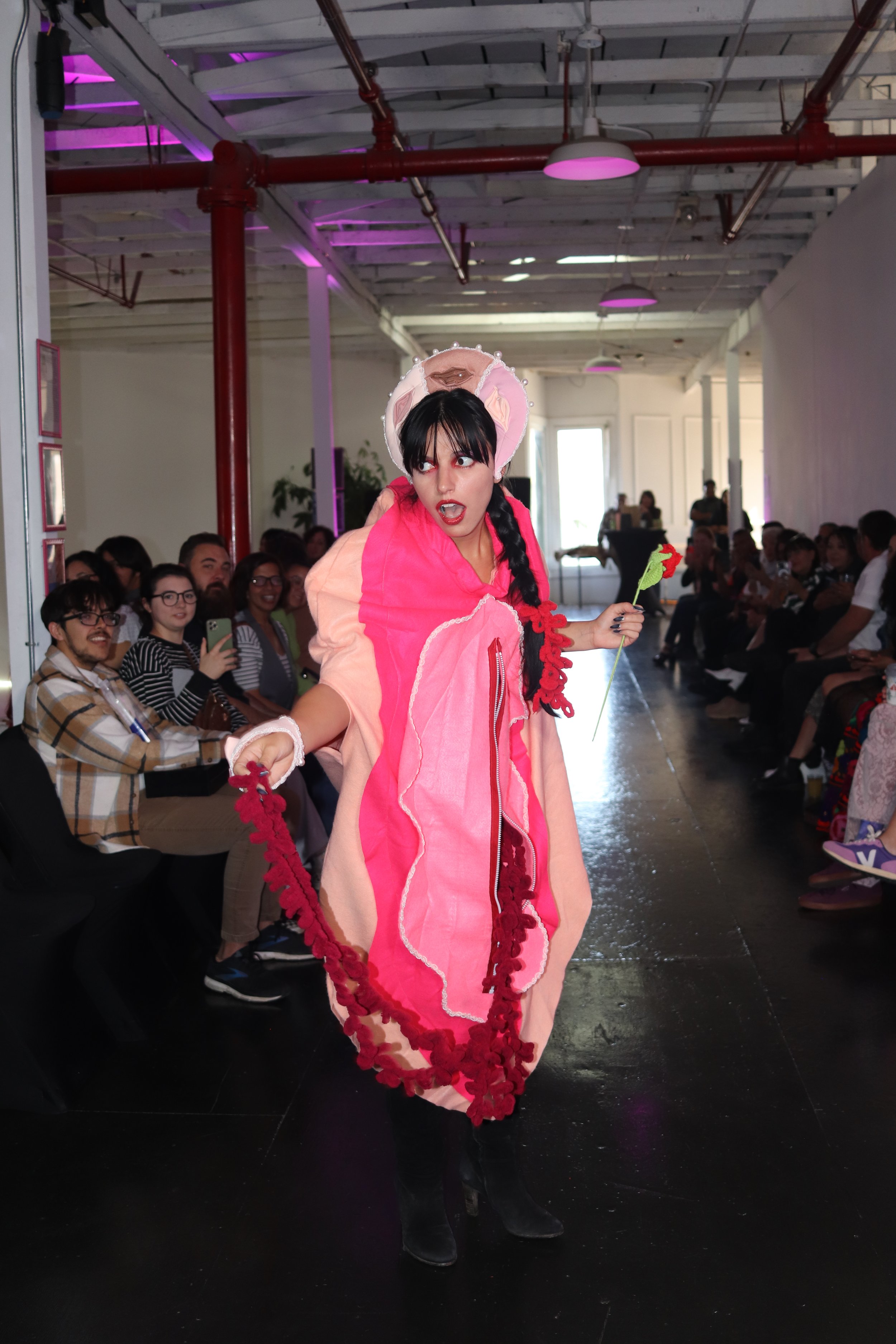
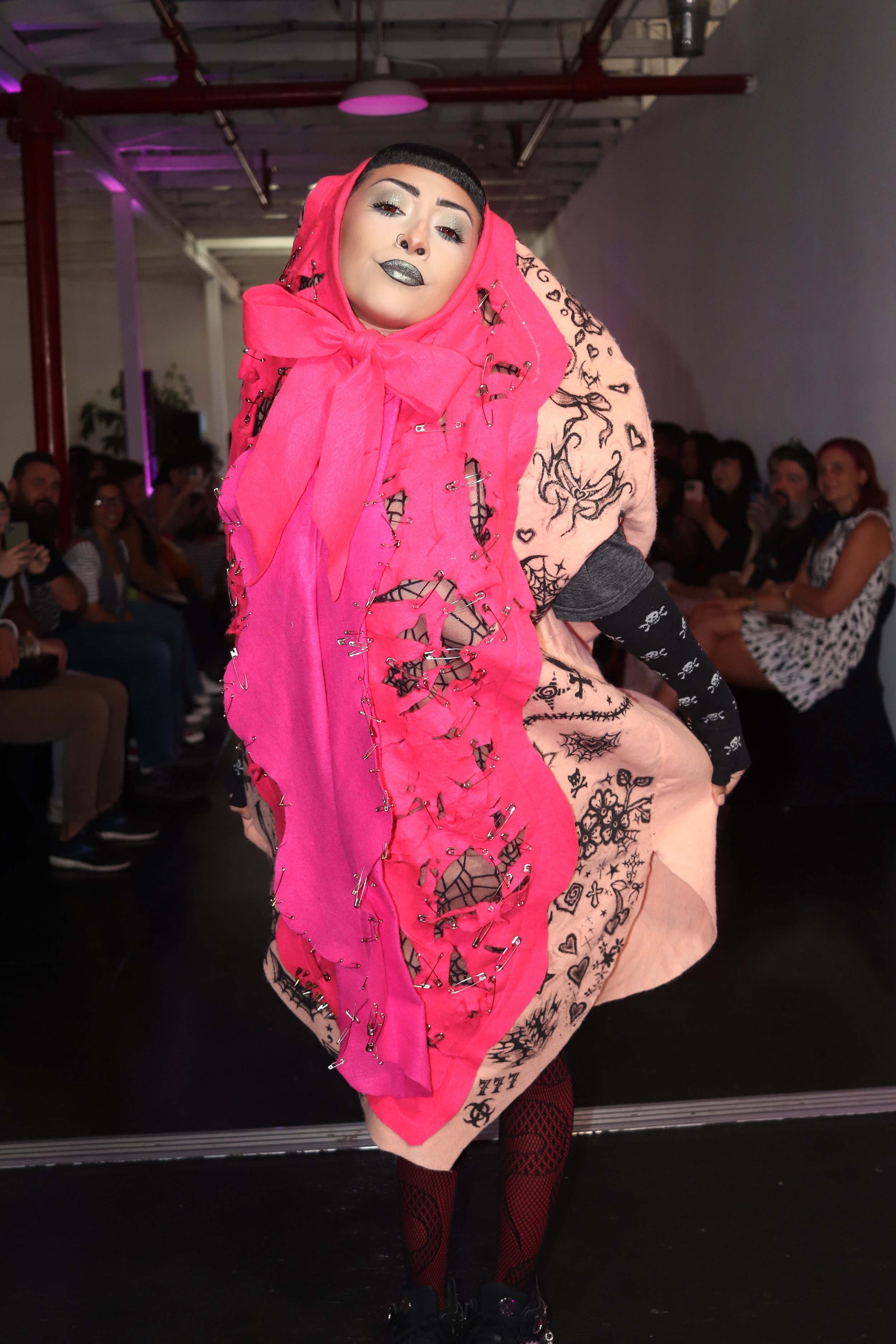
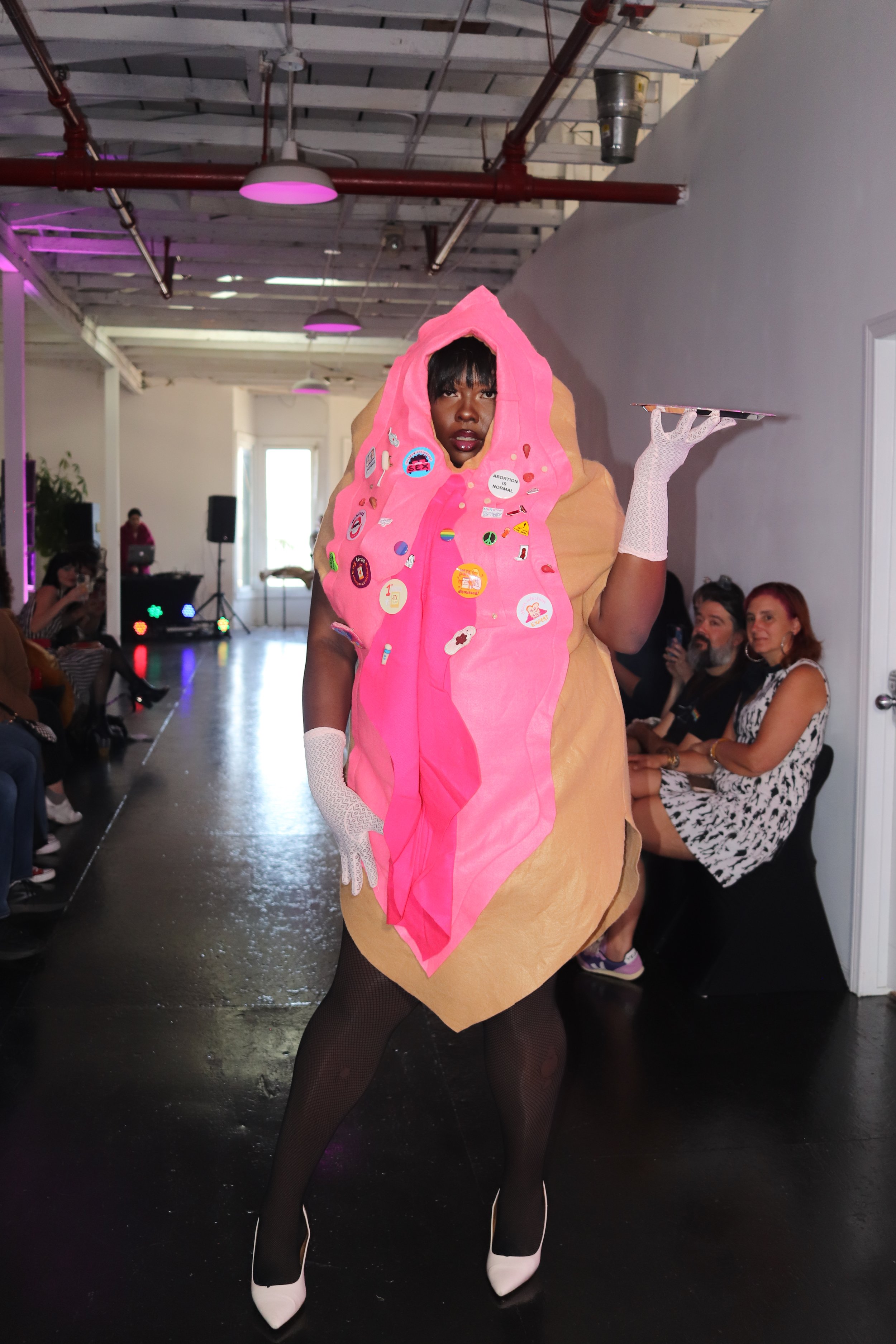
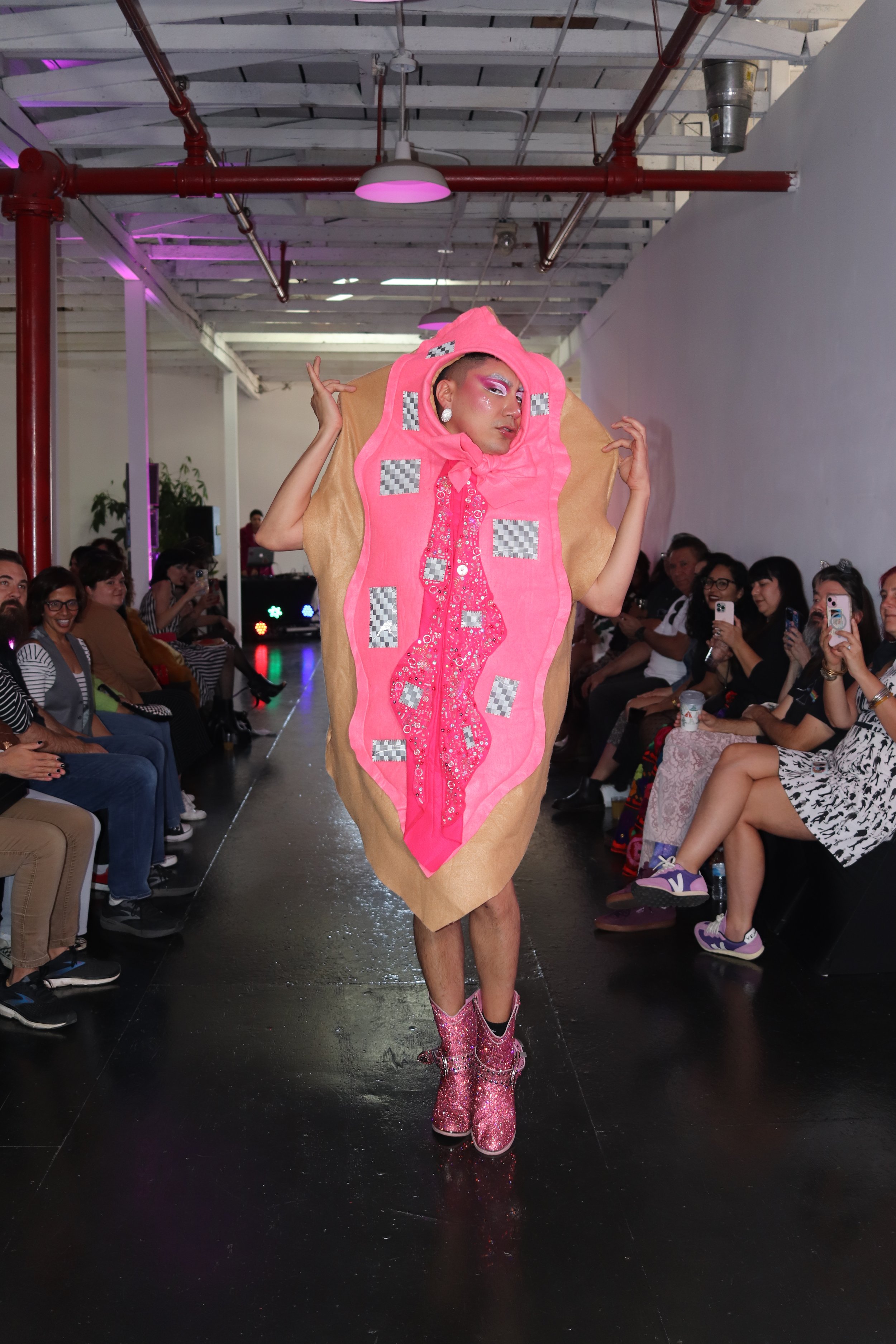
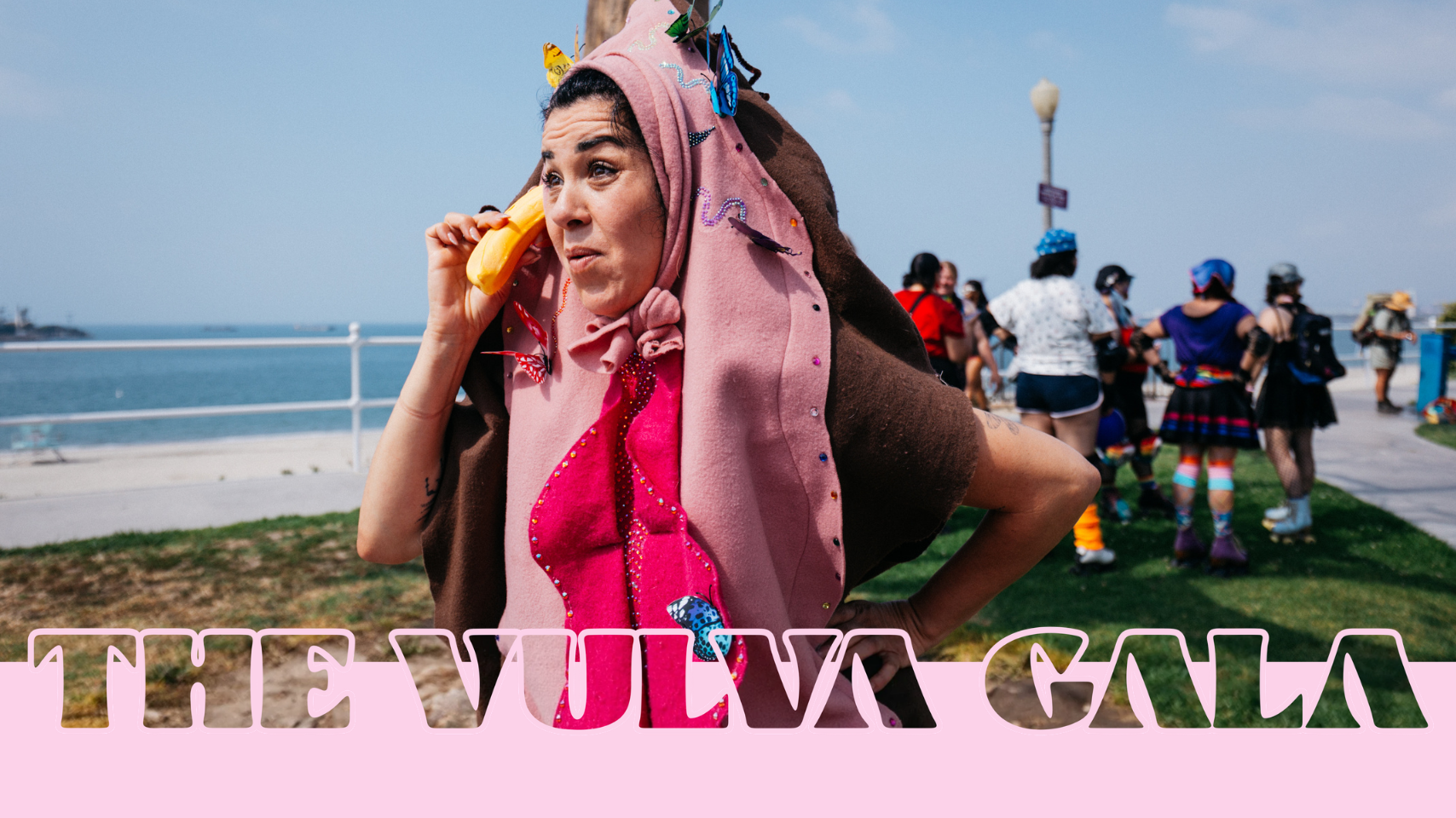
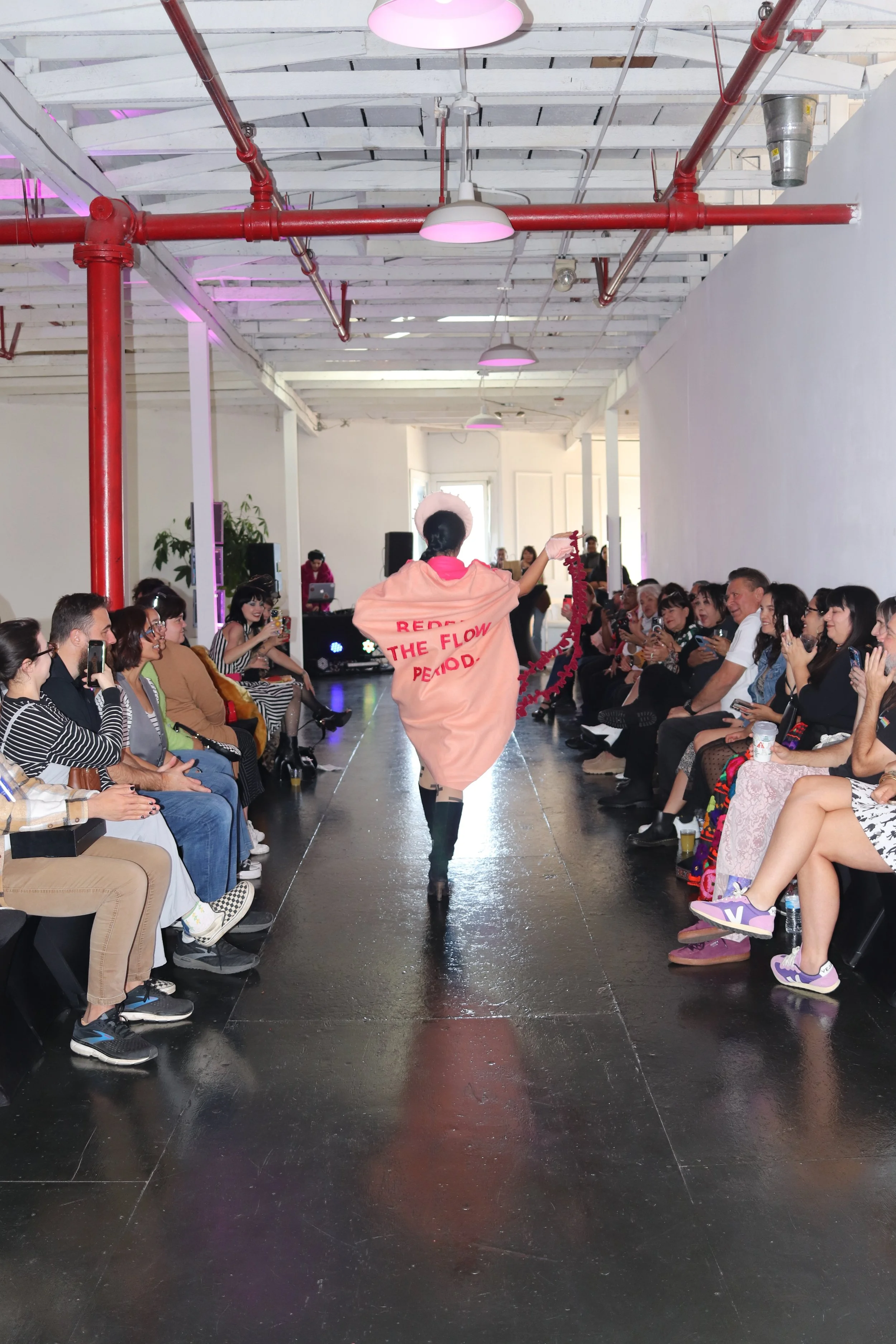
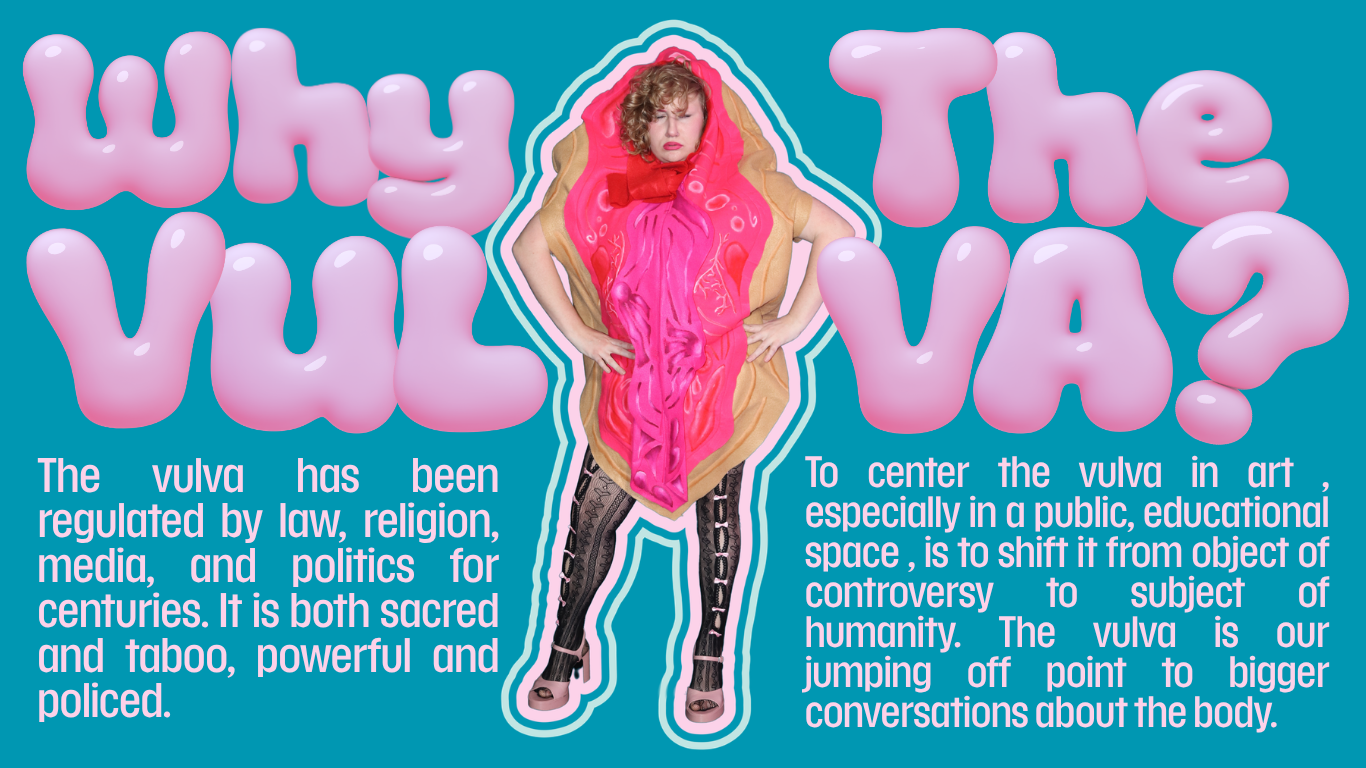
The Vulva Gala is an annual, community-centered celebration of art and education, featuring live music, interactive panels, and a signature vulva costume fashion show.
At its core, the event uses creativity, community learning and performance to challenge stigma and celebrate bodies.
Designed as a healing and learning experience, the festival brings together artists, educators, performers, and community members to engage in embodied conversations about bodies, identity, and lived experience through interactive art, storytelling-based fashion, performances, panels, and community resources.
Hosting the festival in a church is intentional but not religious.
The space serves as a welcoming community setting that invites reflection on how institutions have shaped our relationships to our bodies, while holding space for healing. The Vulva Gala is consent-forward, accessible, and community-driven, honoring personal, non-linear healing processes and modeling the possibilities that emerge when art, education, and spirituality intersect in service of collective care.
WHO WILL BE PERFORMING?
-
![]()
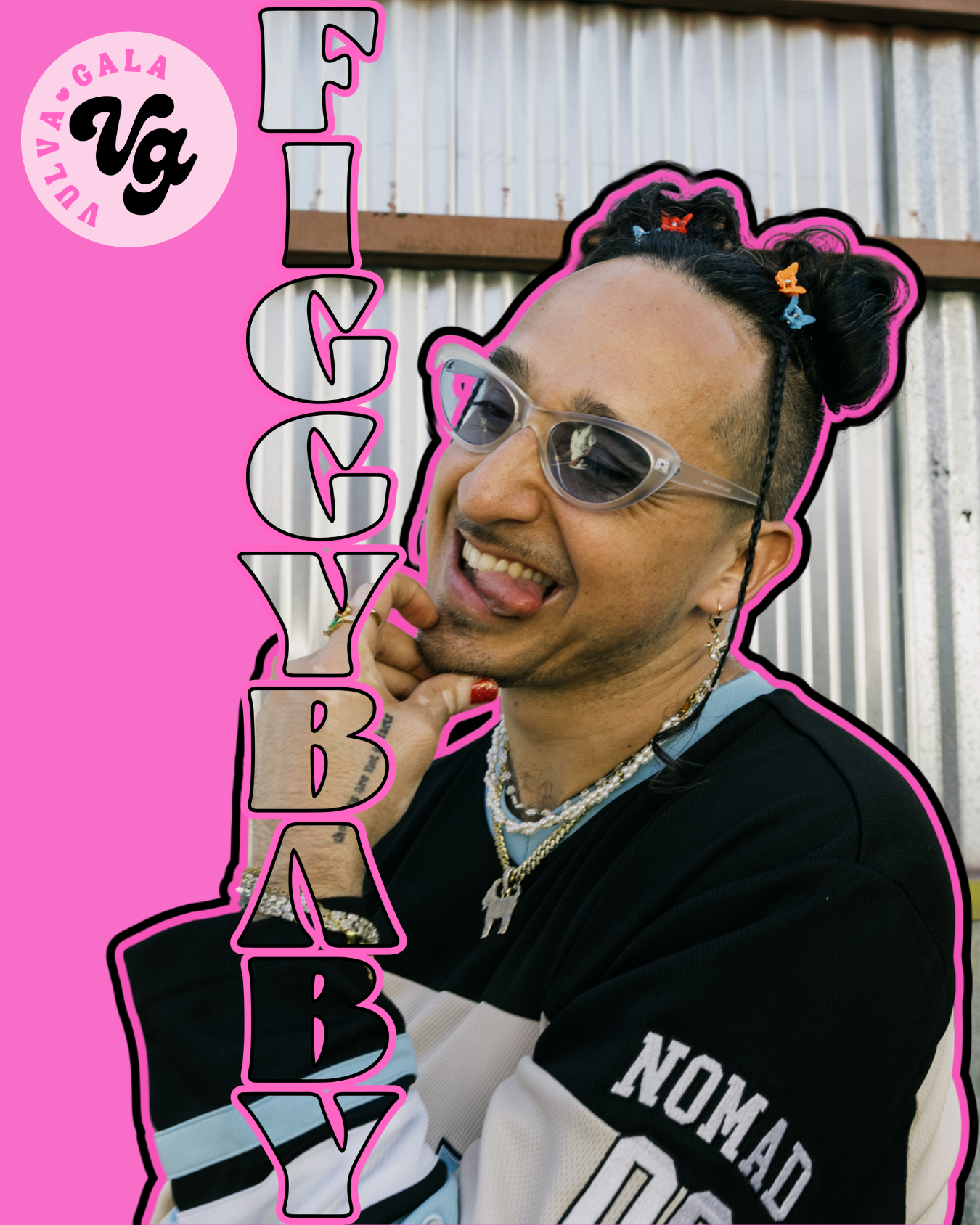
FIGGY BABY
Figgy Baby (also know as “Spice Boi”), is an internationally touring, non-binary Mexican music maker and rapper, based in Los Angeles. Their music highlights the fluidity and range of the human condition, redefining the limits of self-expression.
-
![]()
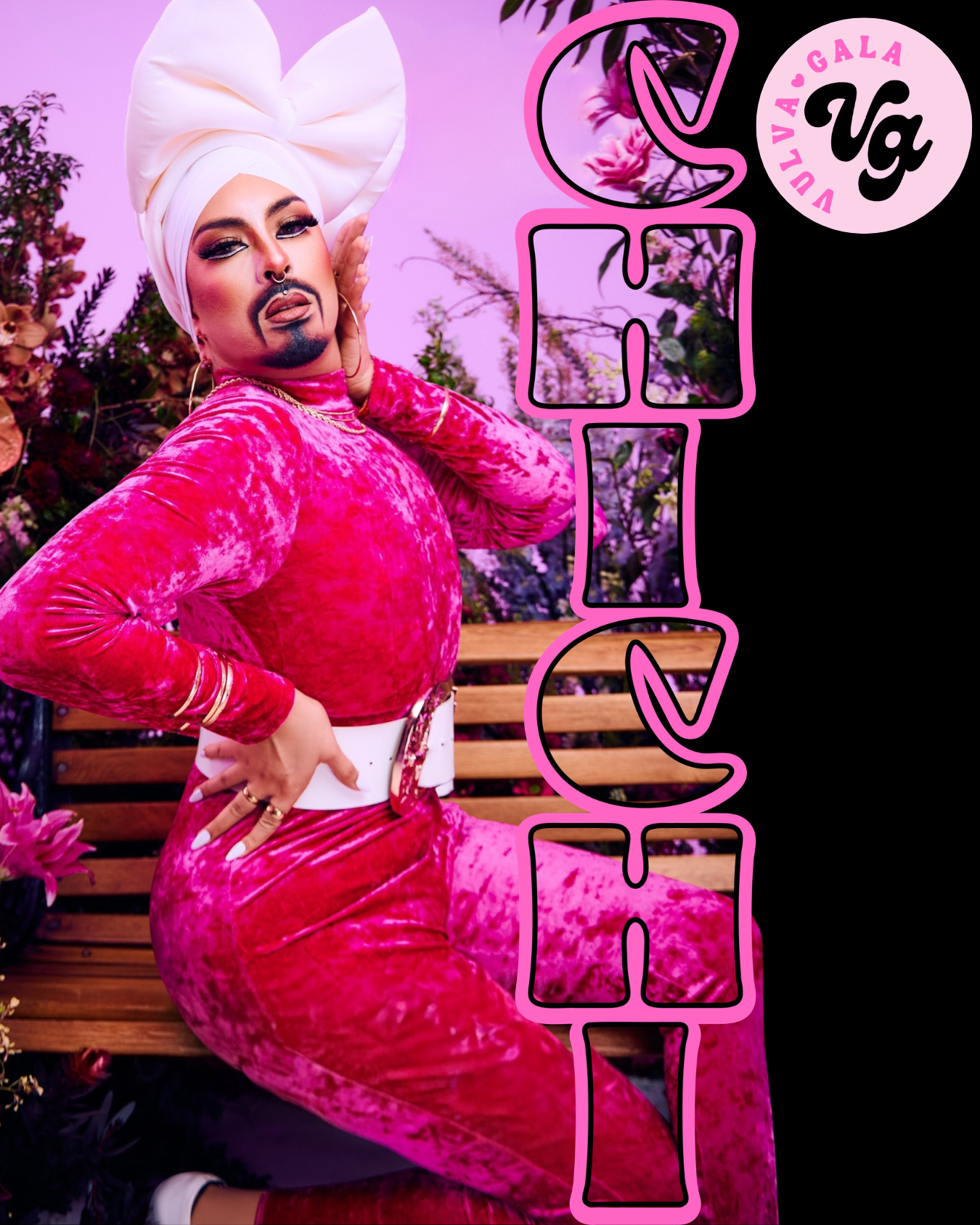
CHICHI CHARLAS
ChiChi is an event host, social media curator, interviewer, and community leader whose work centers intersectional trans and queer experiences. They create joyful, affirming spaces across nightlife, digital platforms, community events, and public conversations.
-
![]()
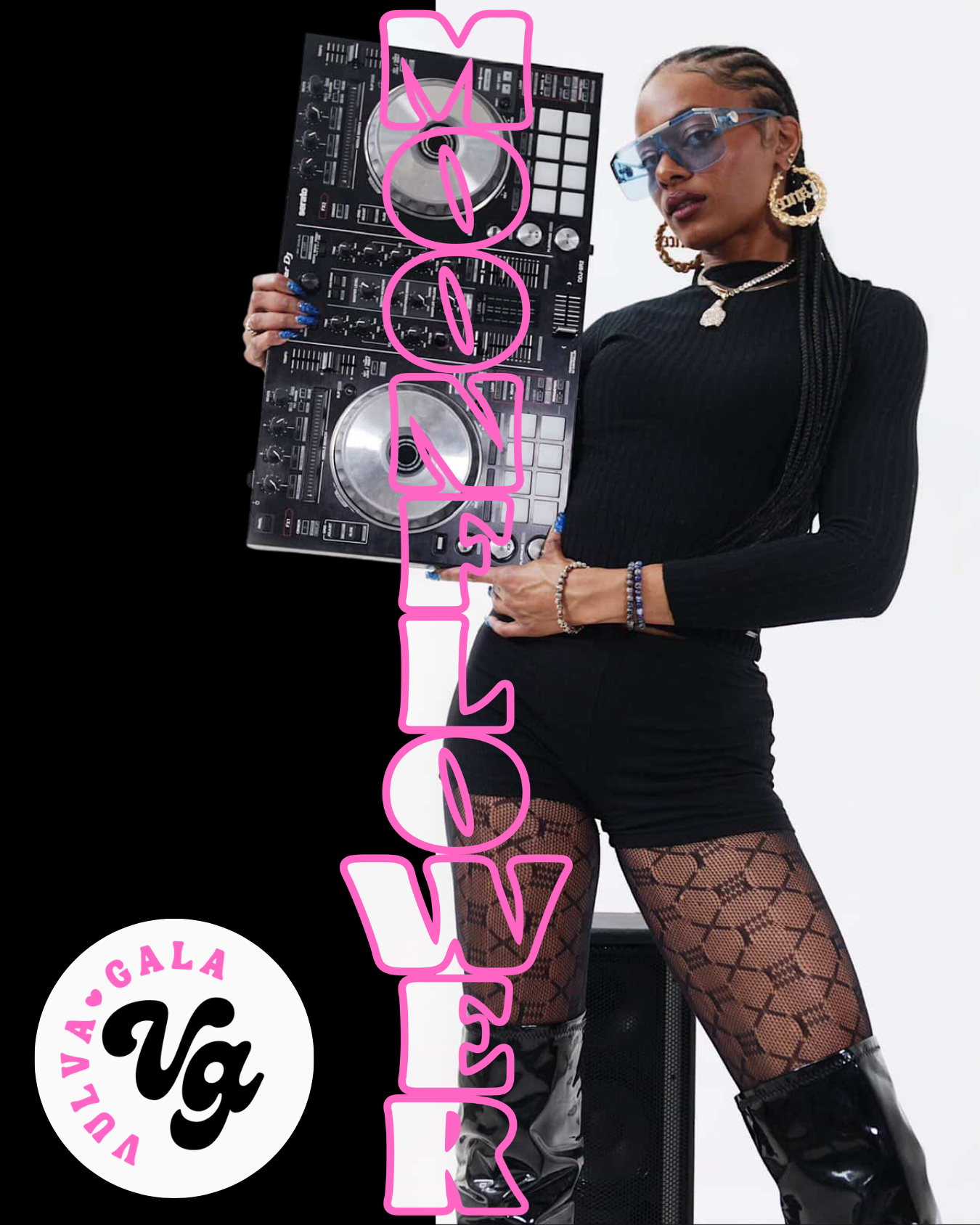
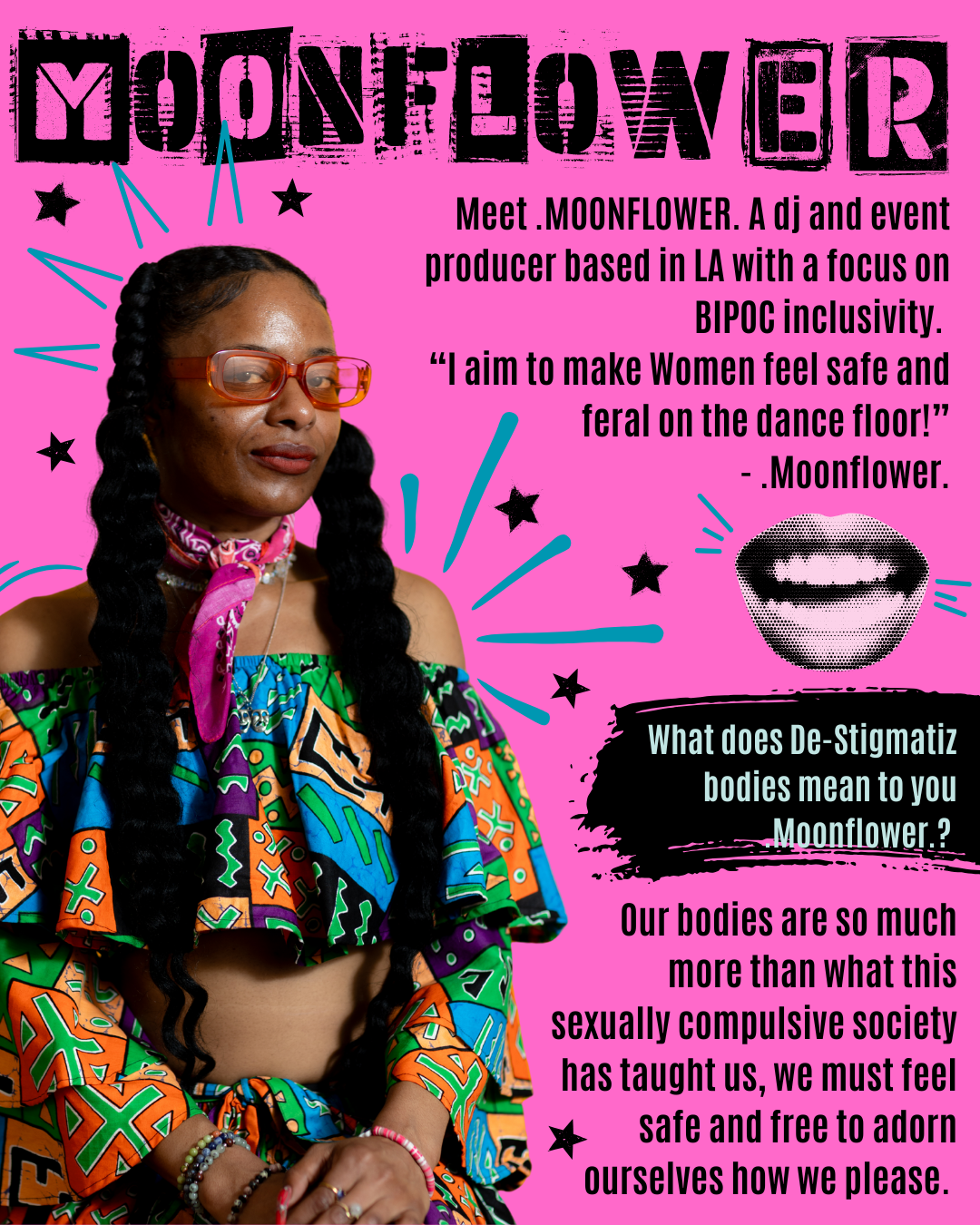
.MOONFLOWER.
.MOONFLOWER. blends sounds of soulful femininity with confident, open-format energy — rooted in house but fluid enough to move through hip-hop, R&B, and electronic edits without losing cohesion. As a DJ who curates experiences, .MOONFLOWER. doesn’t just play tracks; she builds an atmosphere that feels intentional, warm, and empowering. There’s a sensual but mystical vibe to her sets — emotional like a Cancer, bold like a Leo, and playful with transitions like a Gemini.
-
![]()
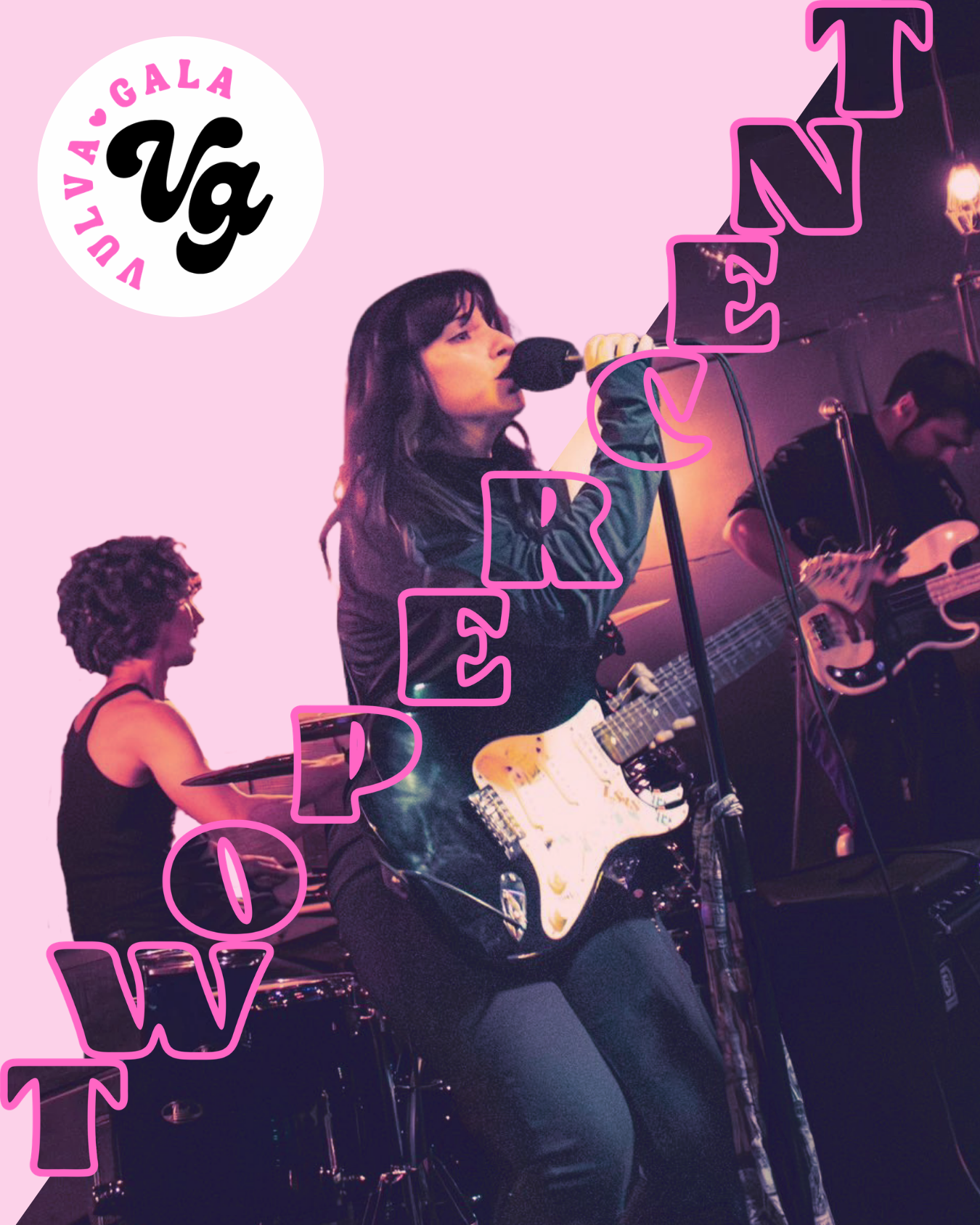
2 %
3 baristas, 1 band 2 percent! Born in La Puente and blossoming from humble Starbucks meetups, 2% has grown from a local garage band into a powerhouse of soul, energy, and raw talent. Fronted by a dynamic nonbinary vocalist, the band brings an electrifying blend of authenticity, passion, and community to every performance.
-
![]()
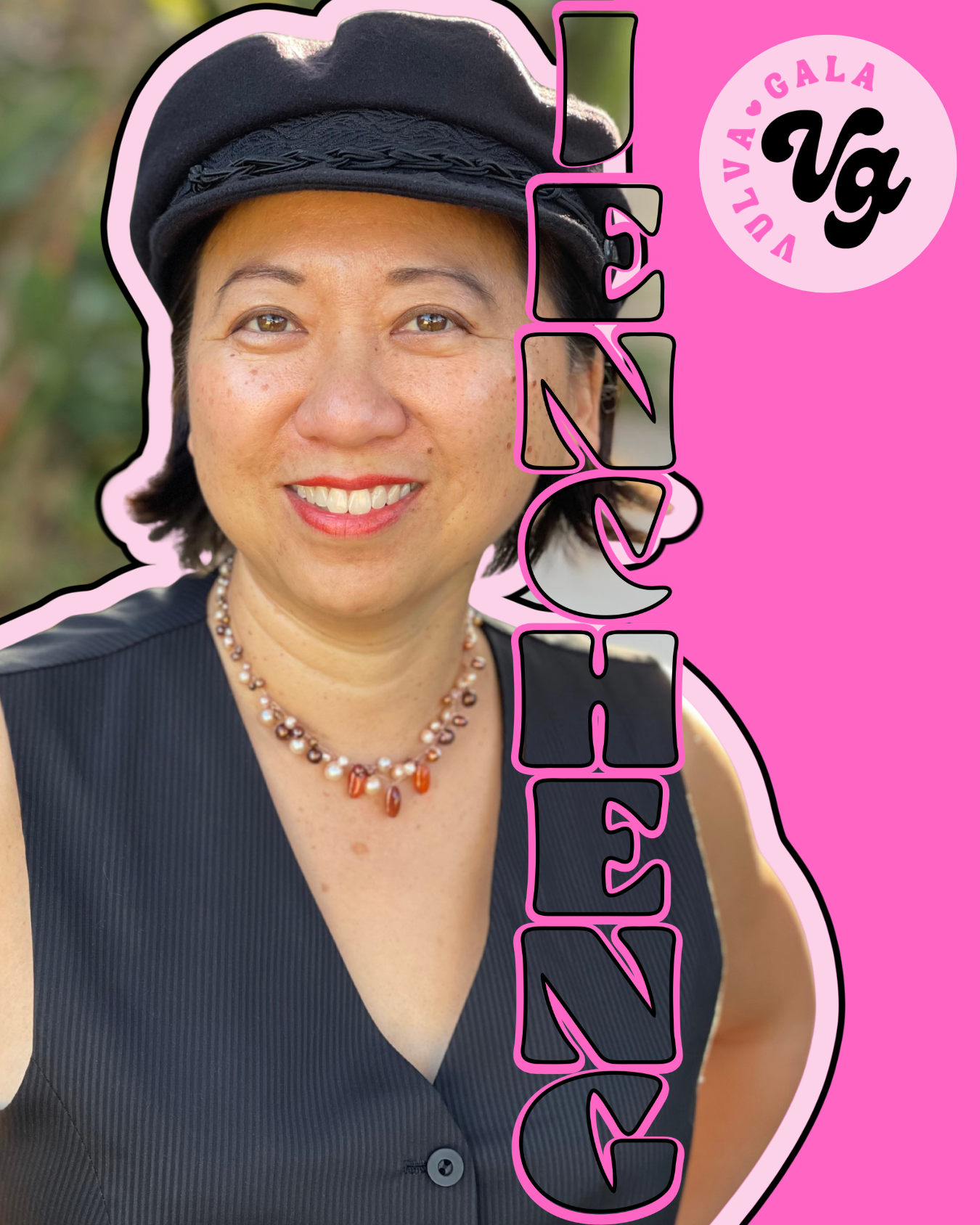
JEN CHENG
Jen Cheng (she/ella/kir) is the fifth West Hollywood City Poet Laureate (2023-2026) and author of Braided Spaces. She is a Poet Laureate Fellow with the Academy of American Poets, a 2026 Macondista, a California Arts Council Fellow, and a Tin House Writers Workshop alumni. She was named one of the Top 50 LGBTQ+ Impact Leaders by LA Magazine (2025). @JenCvoice
-
![]()
8TPS
8TPS is a radical vocal collective of trans, nonbinary, and gender-expansive musicians. Known for their playful interpretations, powerful reflections, and polystylistic surprises, this company of genre-fluid performers & educators centers community, artistry, joy, and trans excellence.
-
![]()
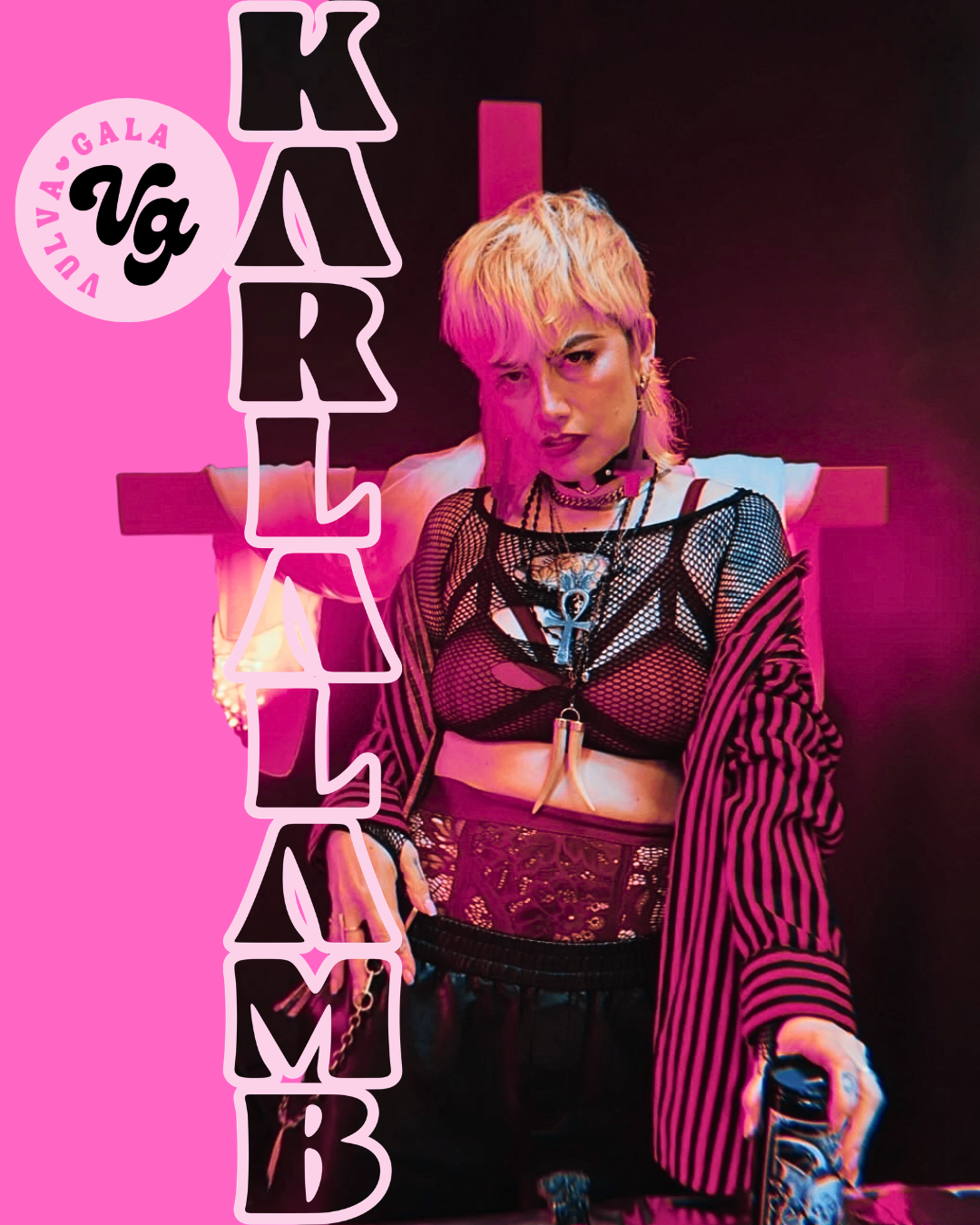
KARLA LAMB
DescriptioKarla Lamb (she/ella) is a Queer Xicana poet, performer, & community organizer. A two-time Best of the Net nominee, she is the founder & host of Verse4Verse, named Best Open Mic by Sapphic LA in ‘24 & ‘25. Her work appears in Dyke Affair, So To Speak, Cobra Milk, & elsewhere. Follow her at @vinylowl.

What Happens At The Vulva Gala?
-
![]()
A Vulva Fashion Show
The main event is a fashion show of wearable art by local artists, each piece boldly reimagining what it means to de-stigmatize bodies..
-
![]()
Community Panels
Community learning panels bringing together experts to spark meaningful conversations about vital topics related to the body in a time of deep divide.
-
![]()
Performances
A lineup of live music, drag performances, comedy, and poetry, all designed to foster connection, community, queer joy, and body liberation.
-
![]()
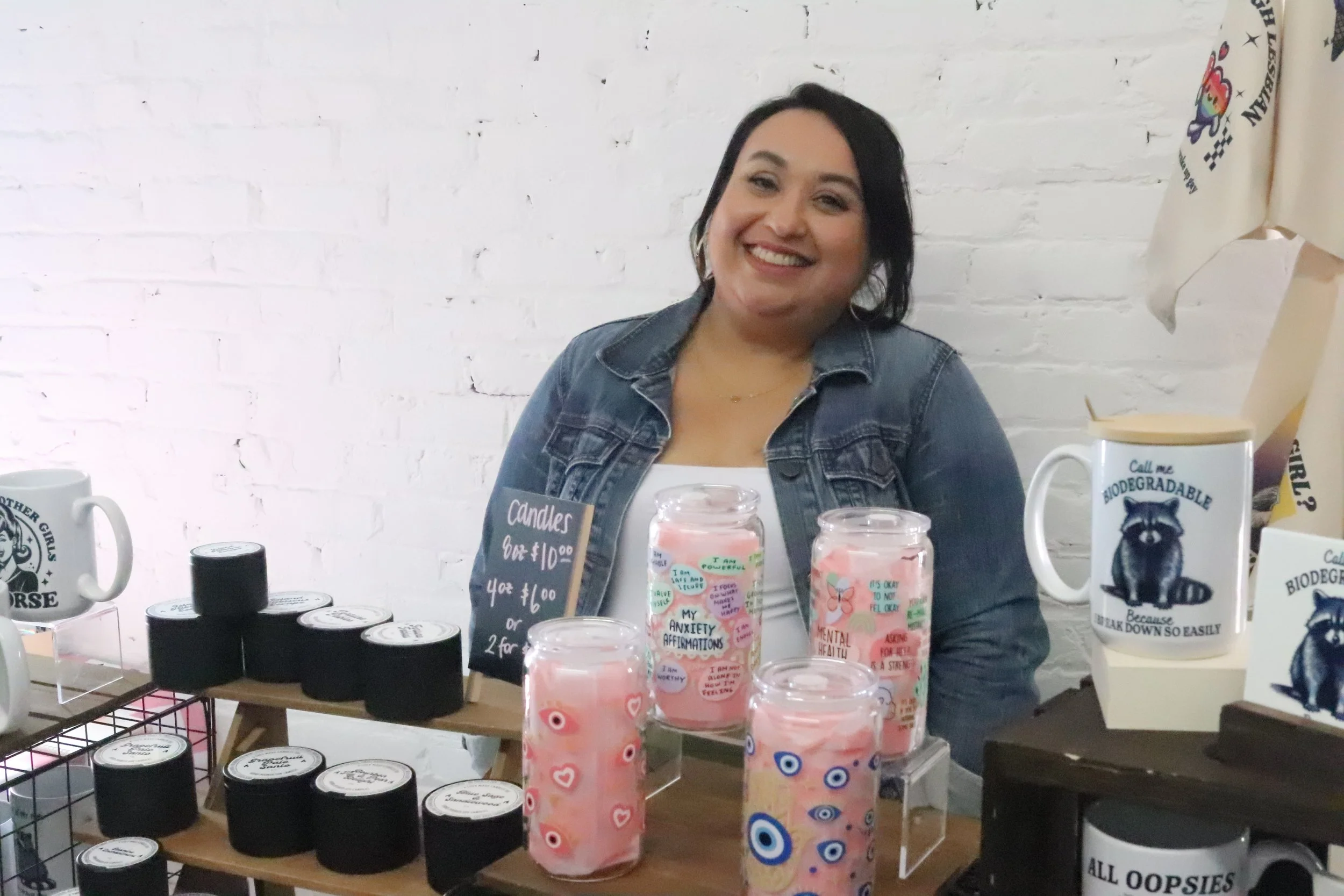
A Queer BIPOC Local Market
A queer and BIPOC market featuring local vendors, artists, and small businesses, creating a space that celebrates culture, creativity, and community.
-
![]()
Community Resources
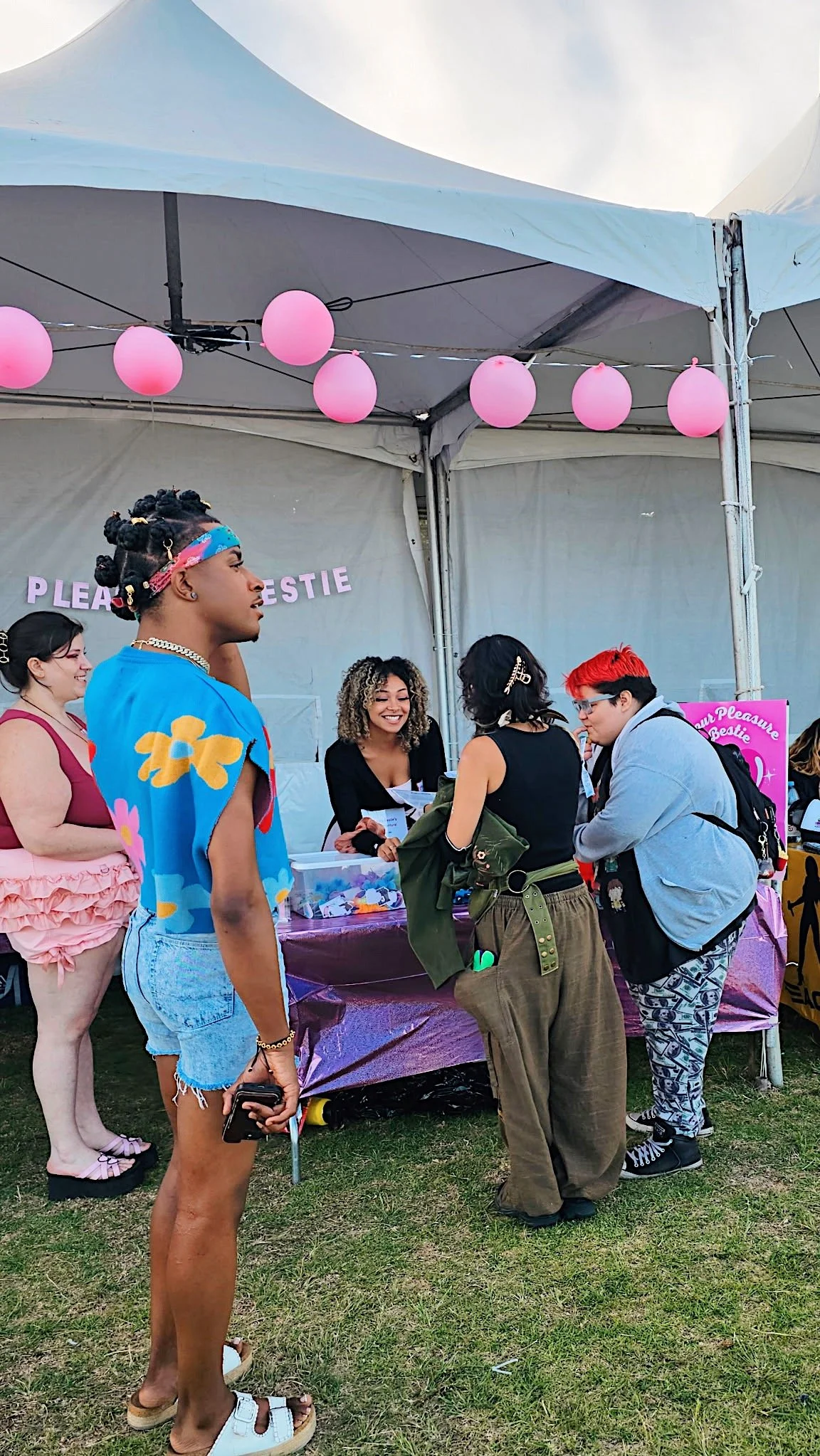
Community resources will be available, bringing together nonprofits and organizations dedicated to strengthening the well-being of our communities.

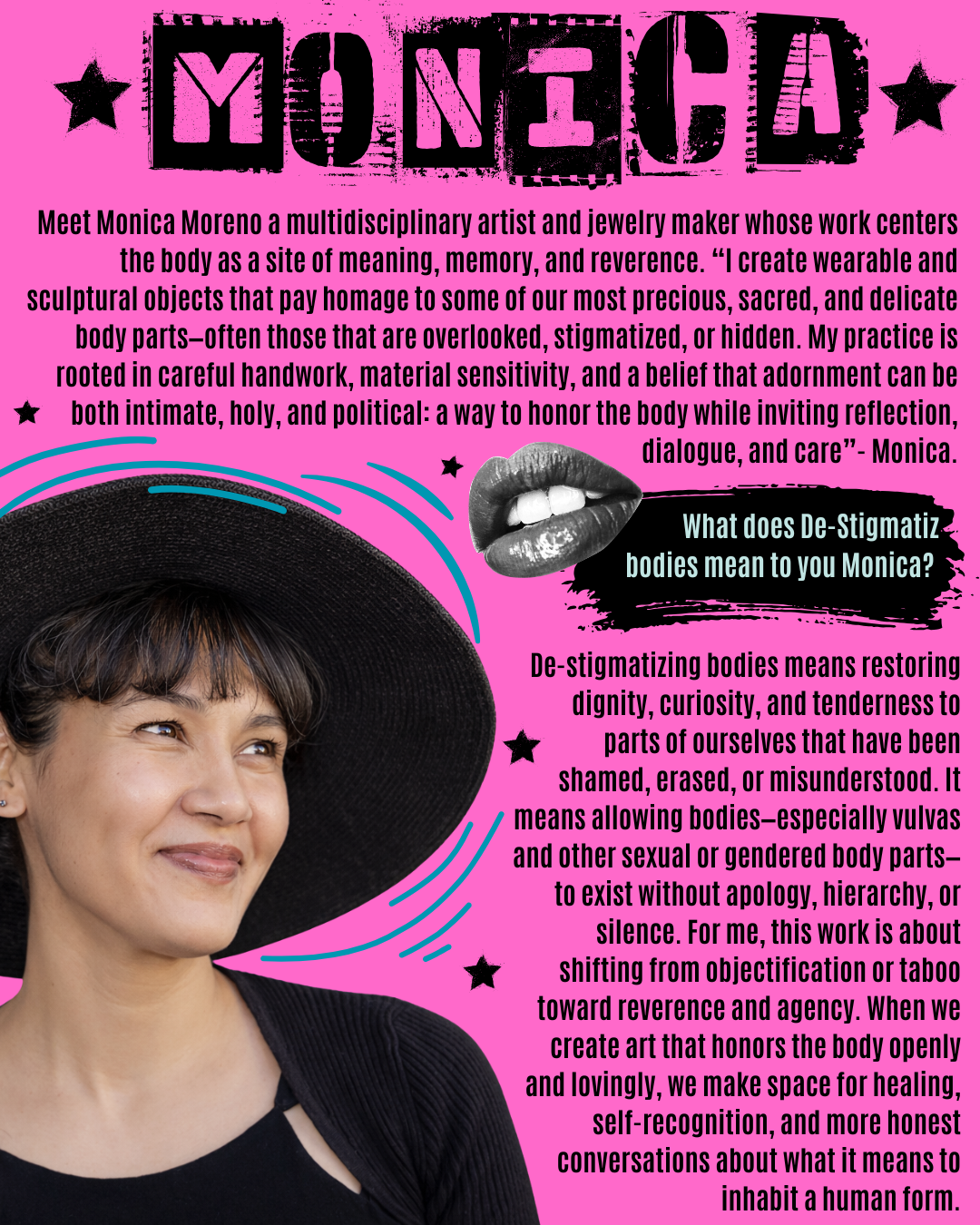
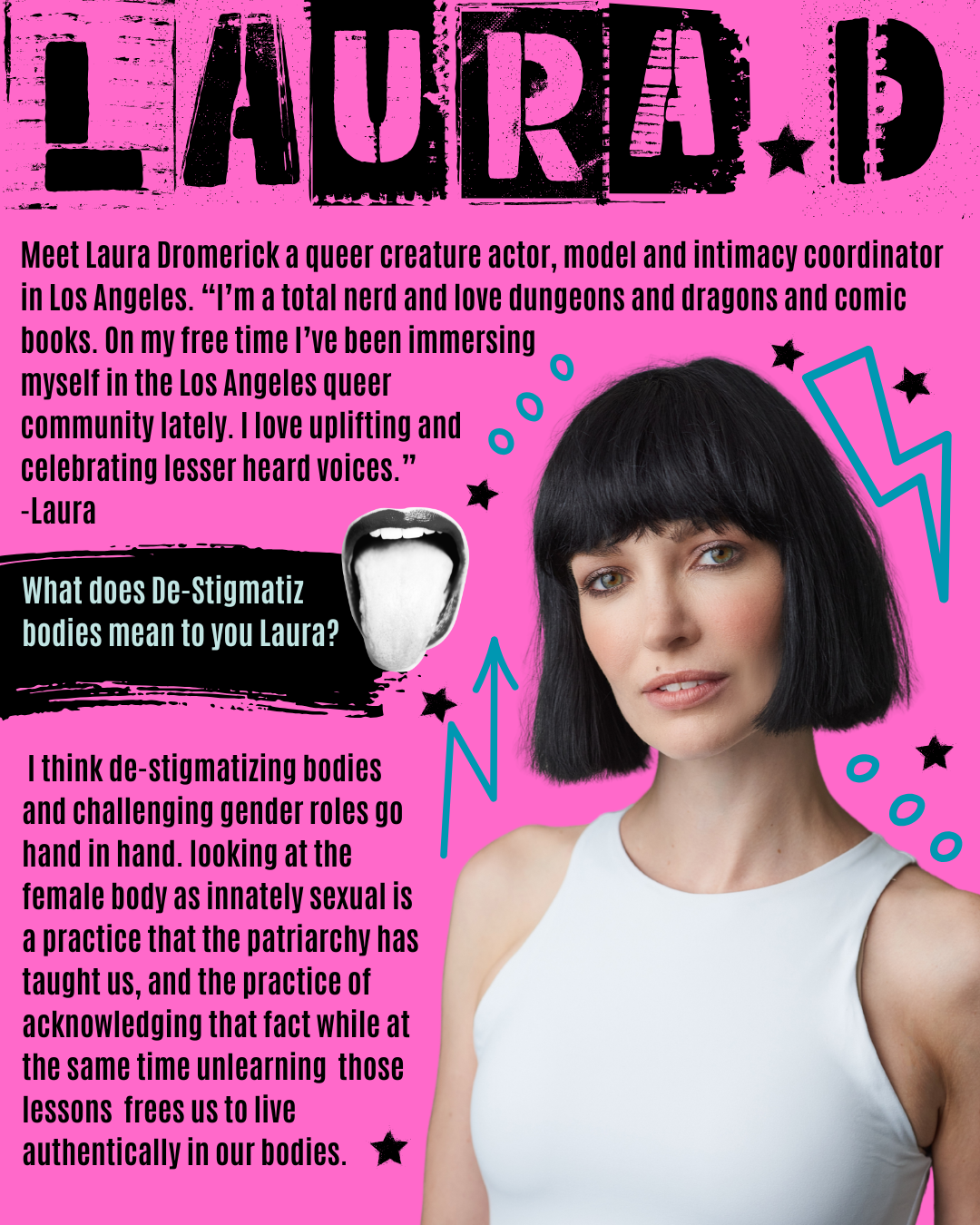
Meet The Artist
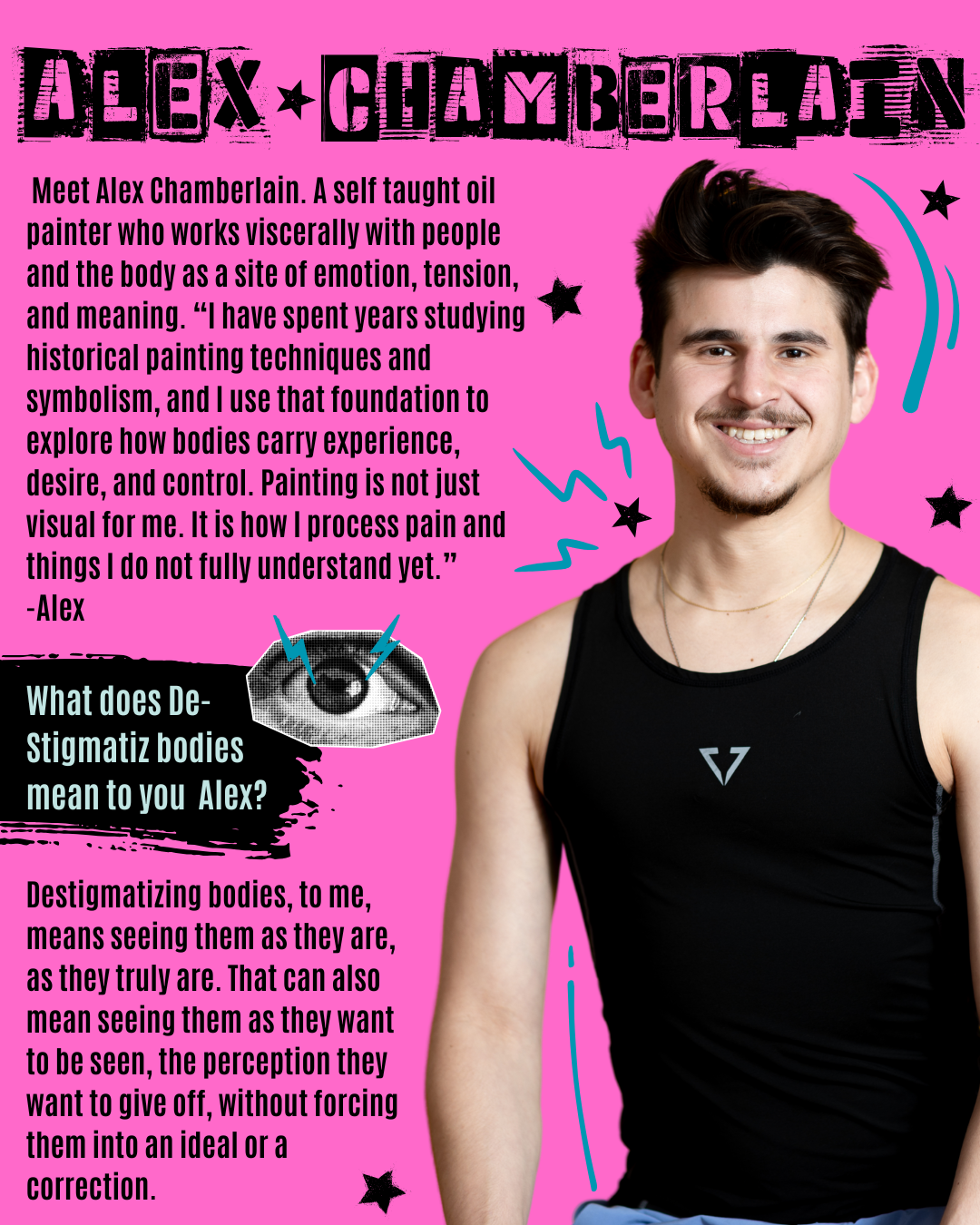
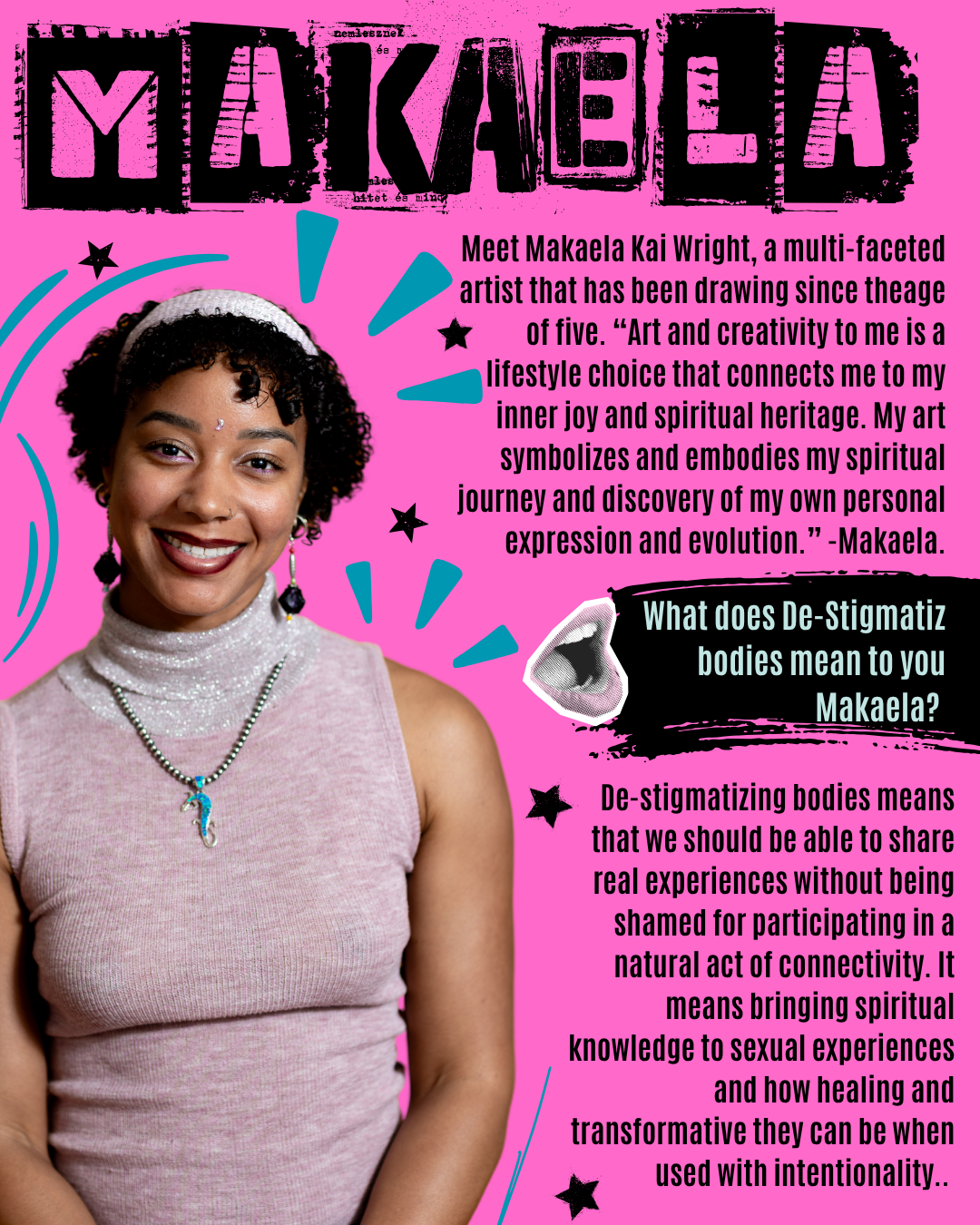
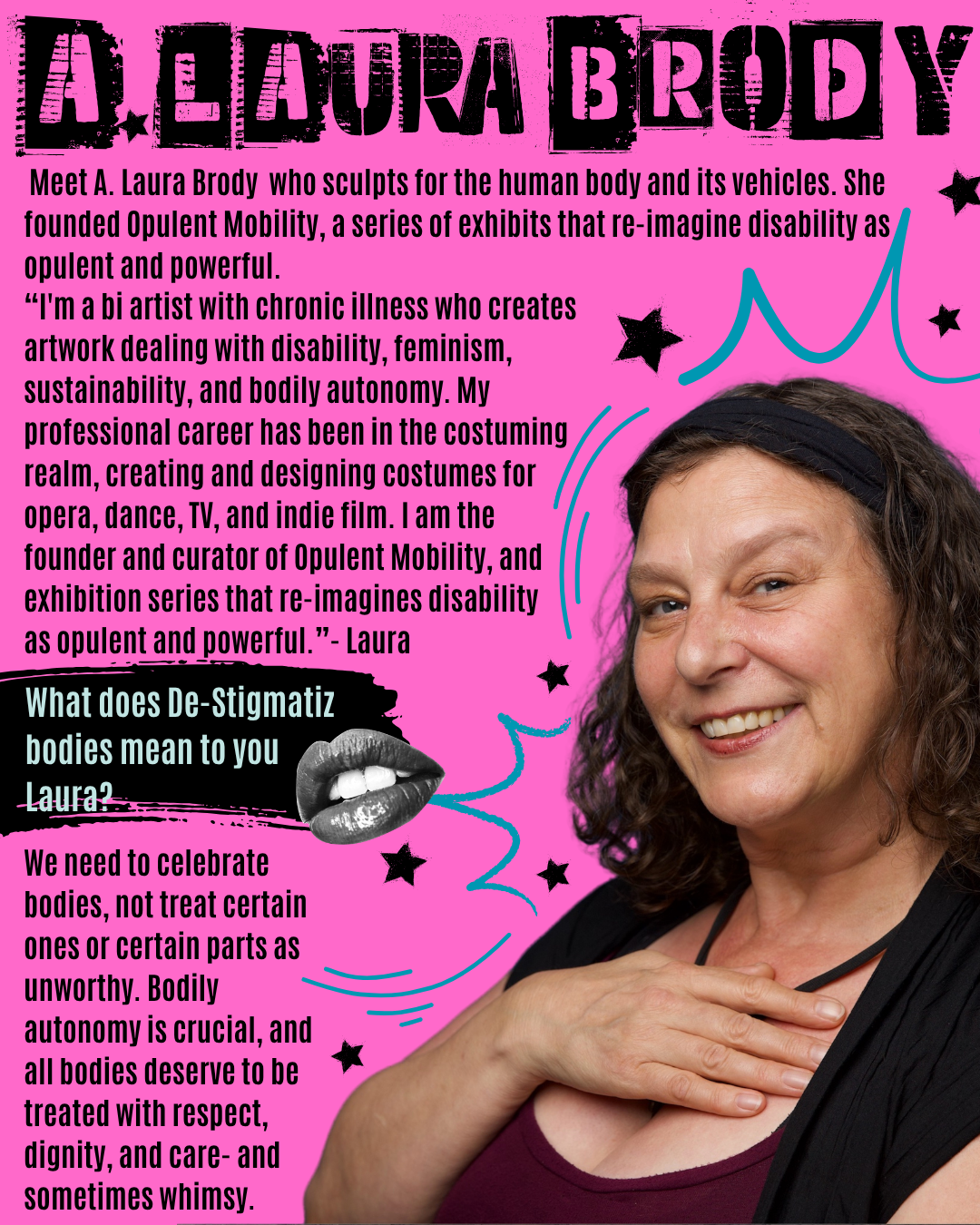
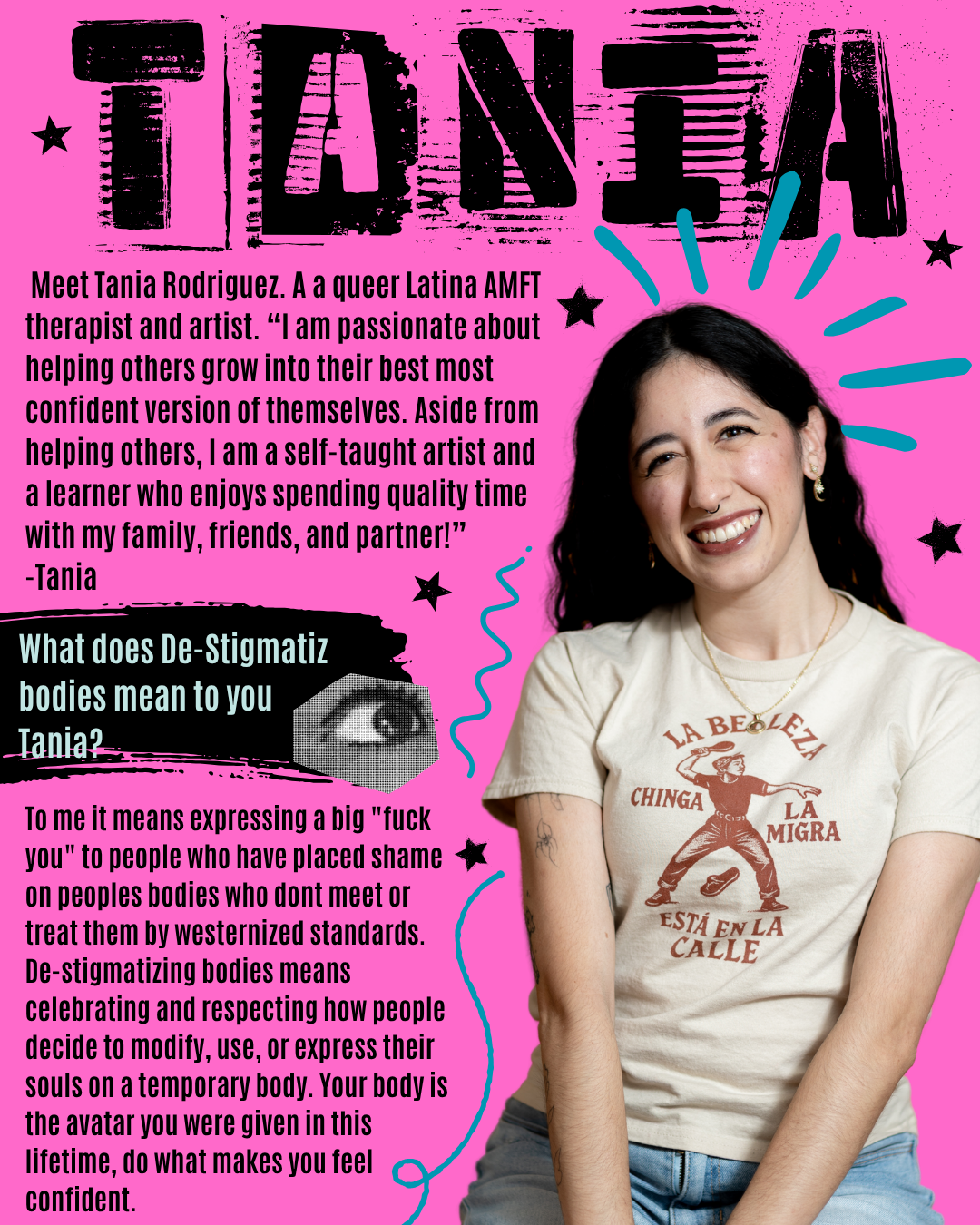
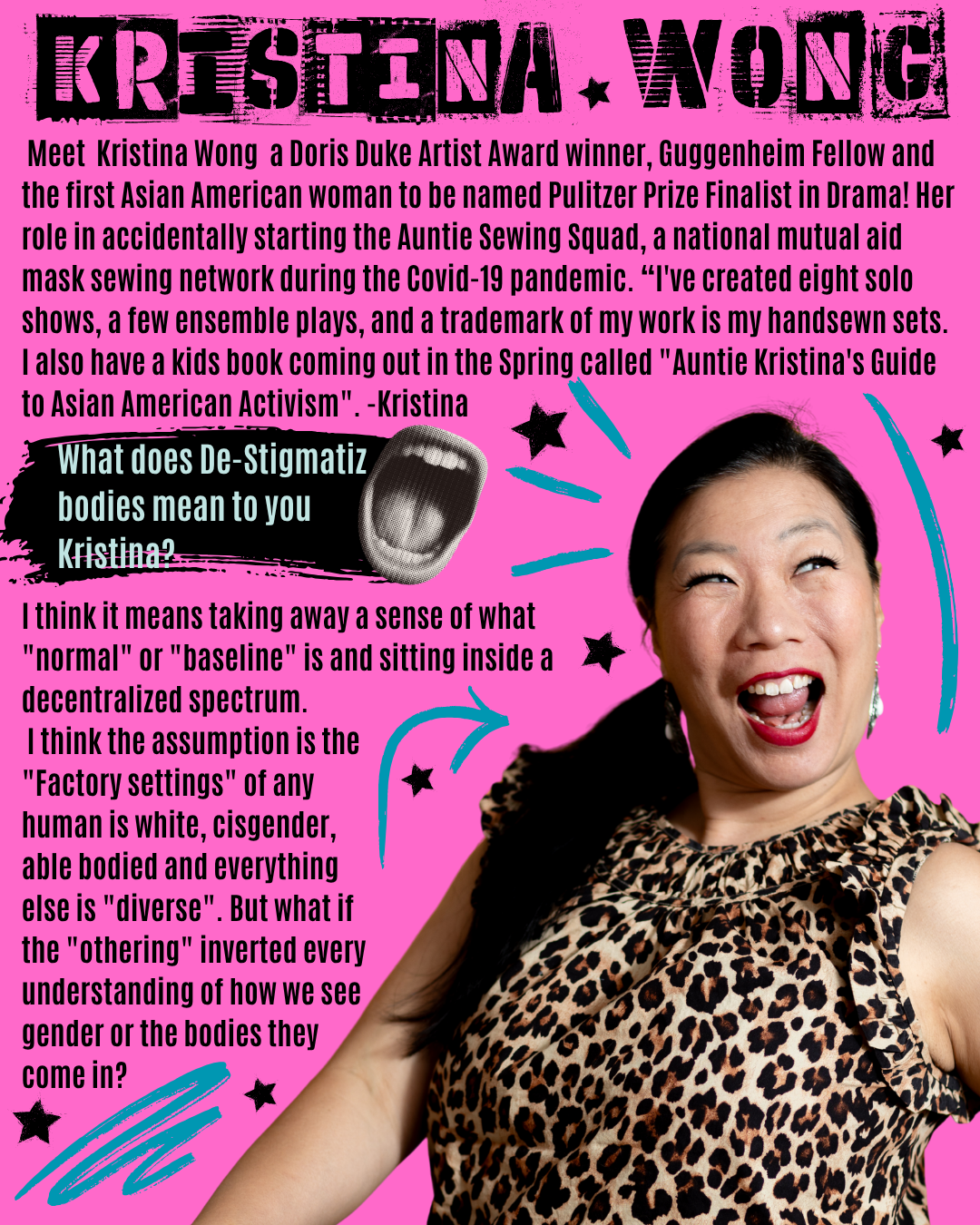
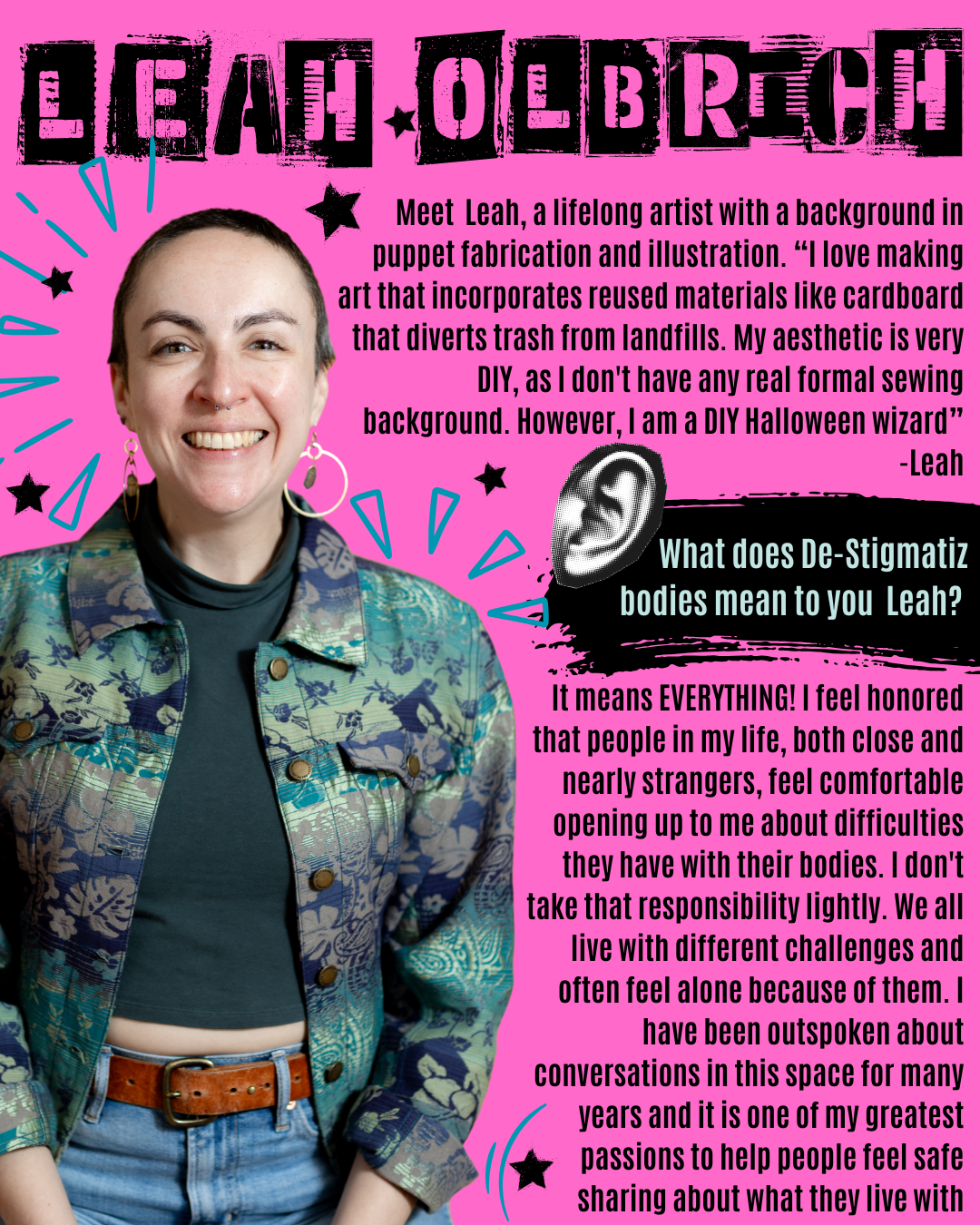
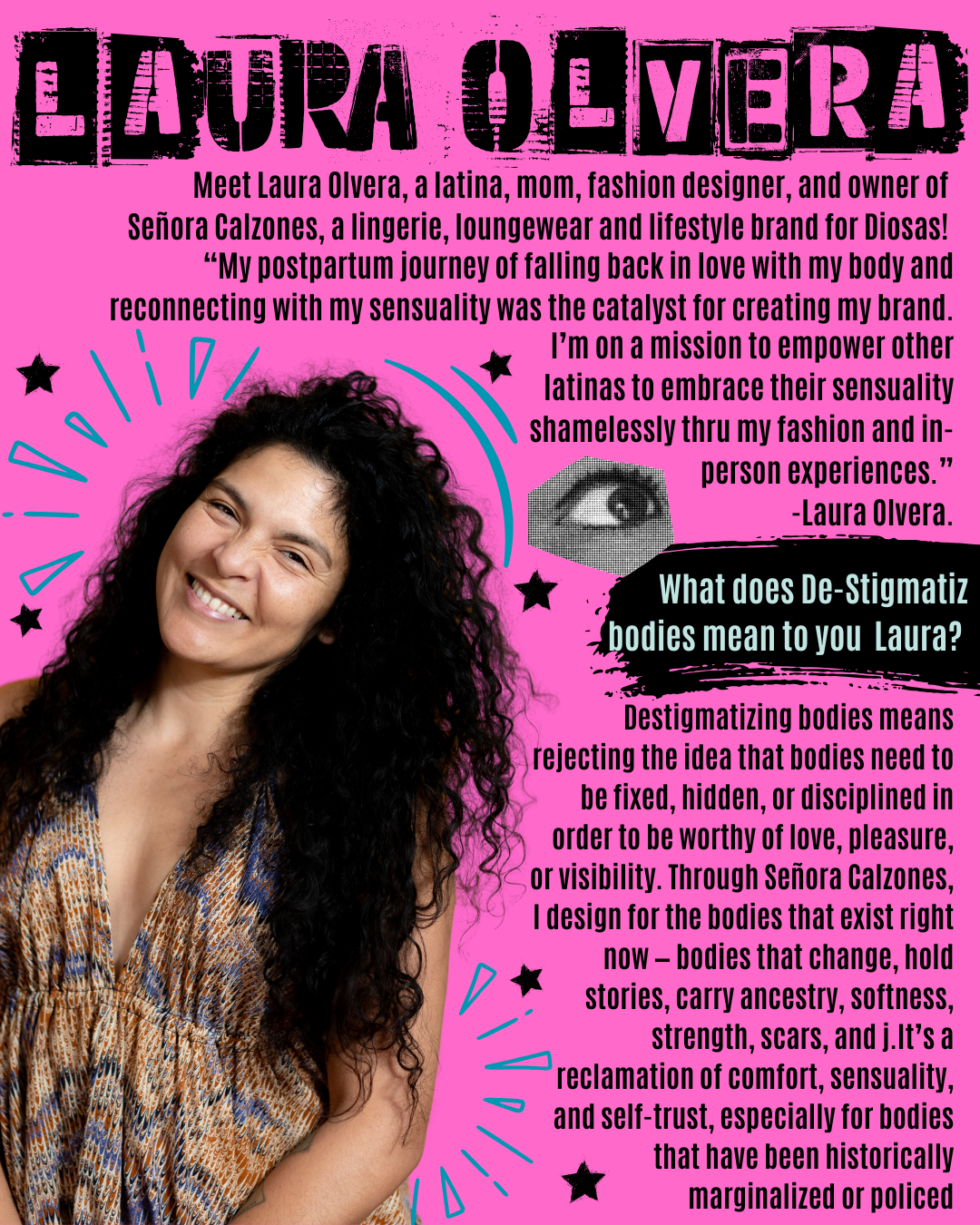
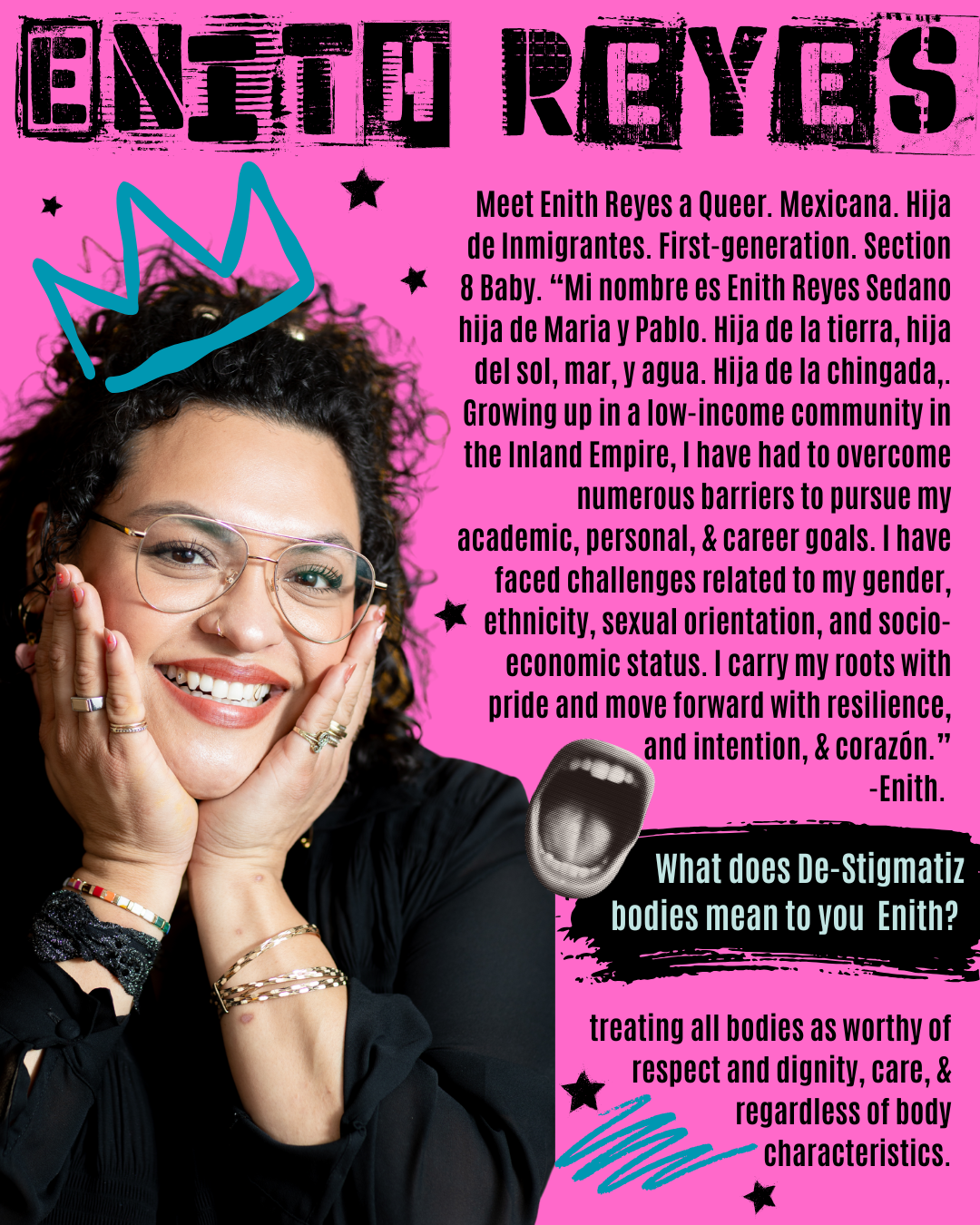
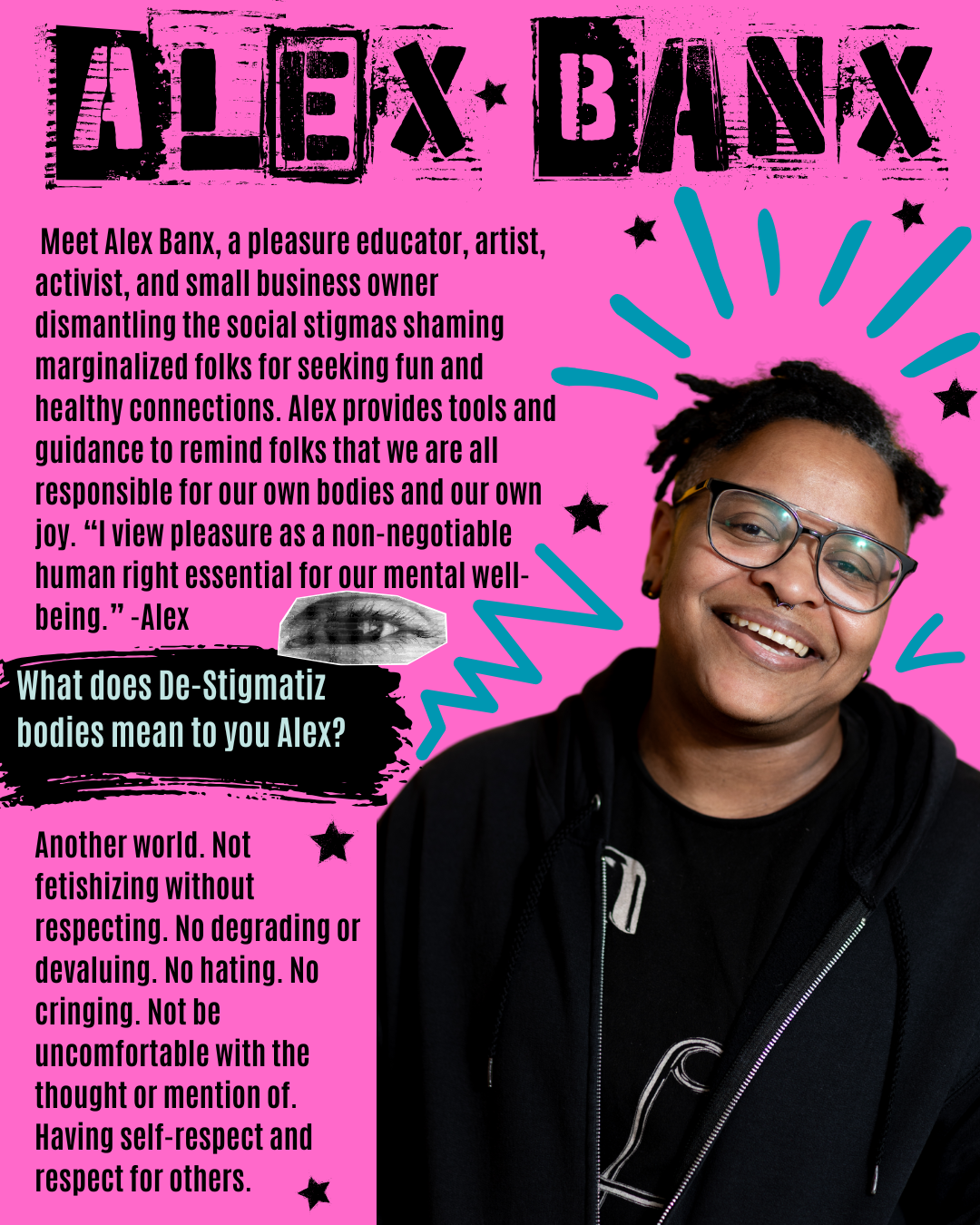
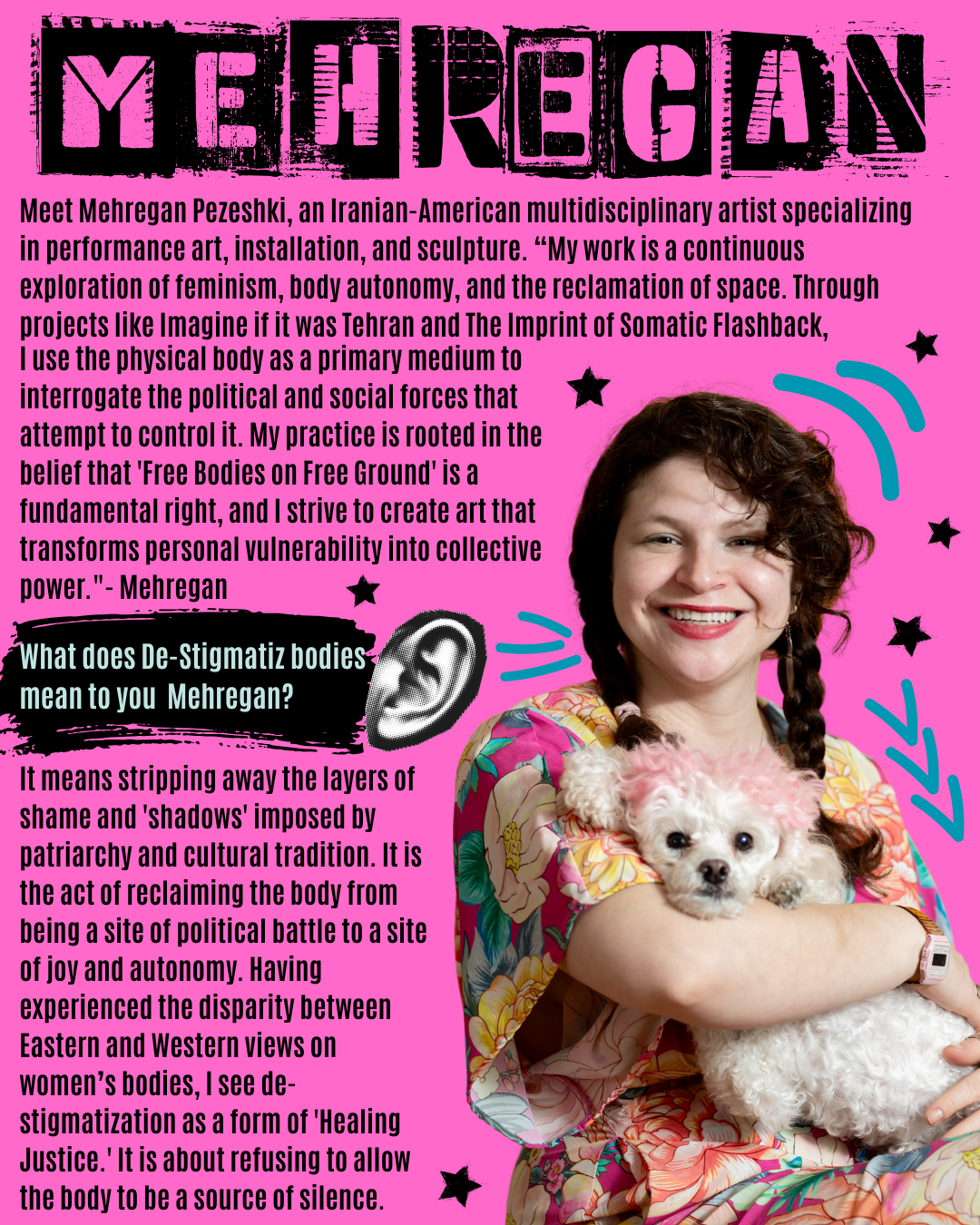
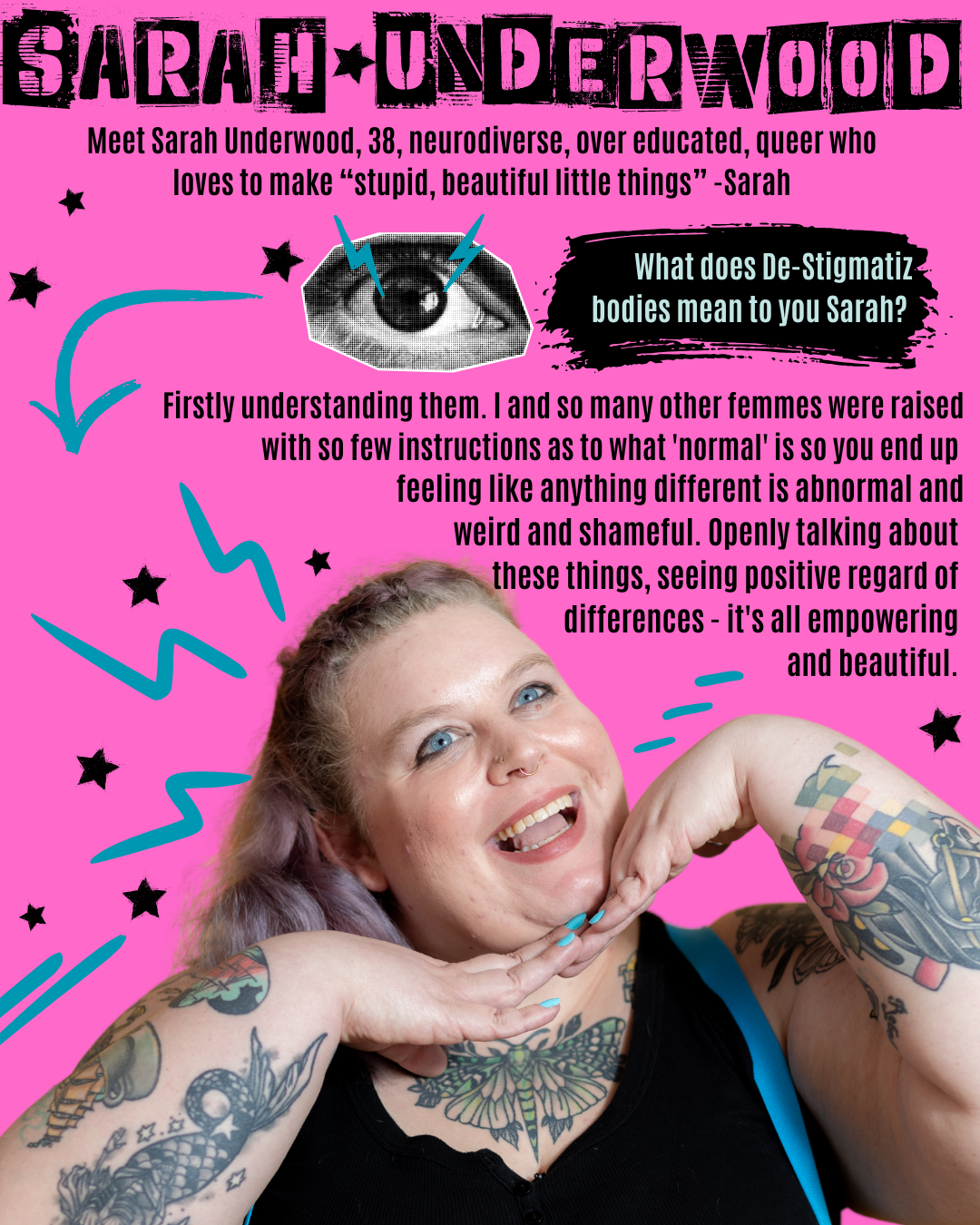
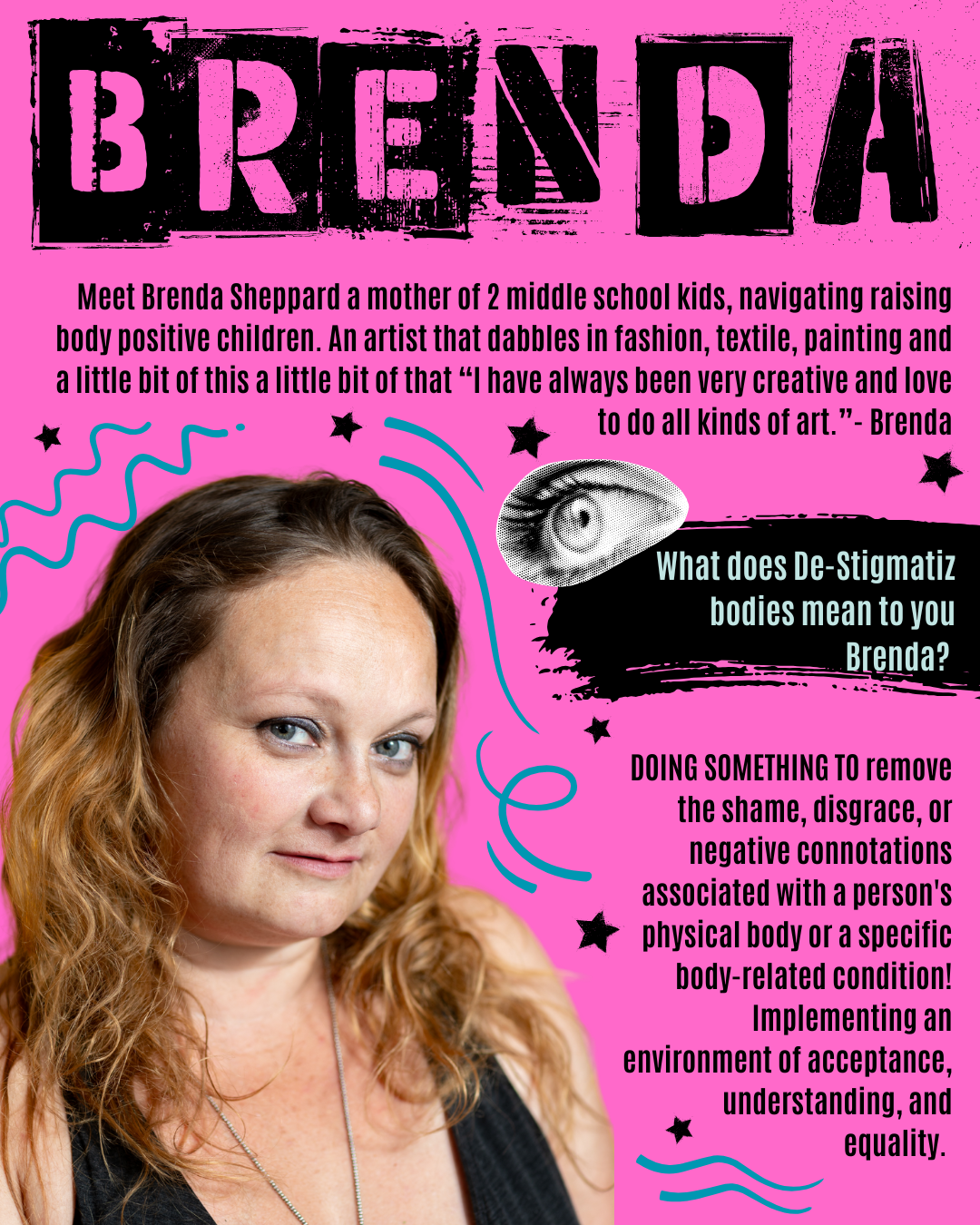


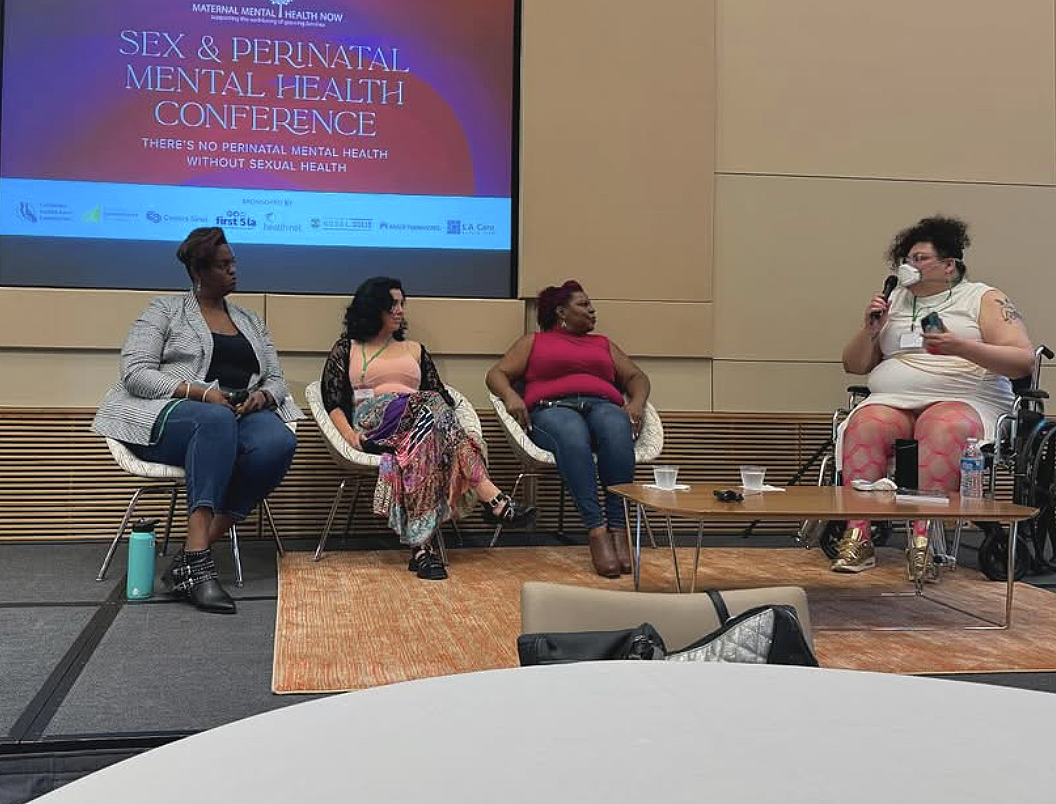
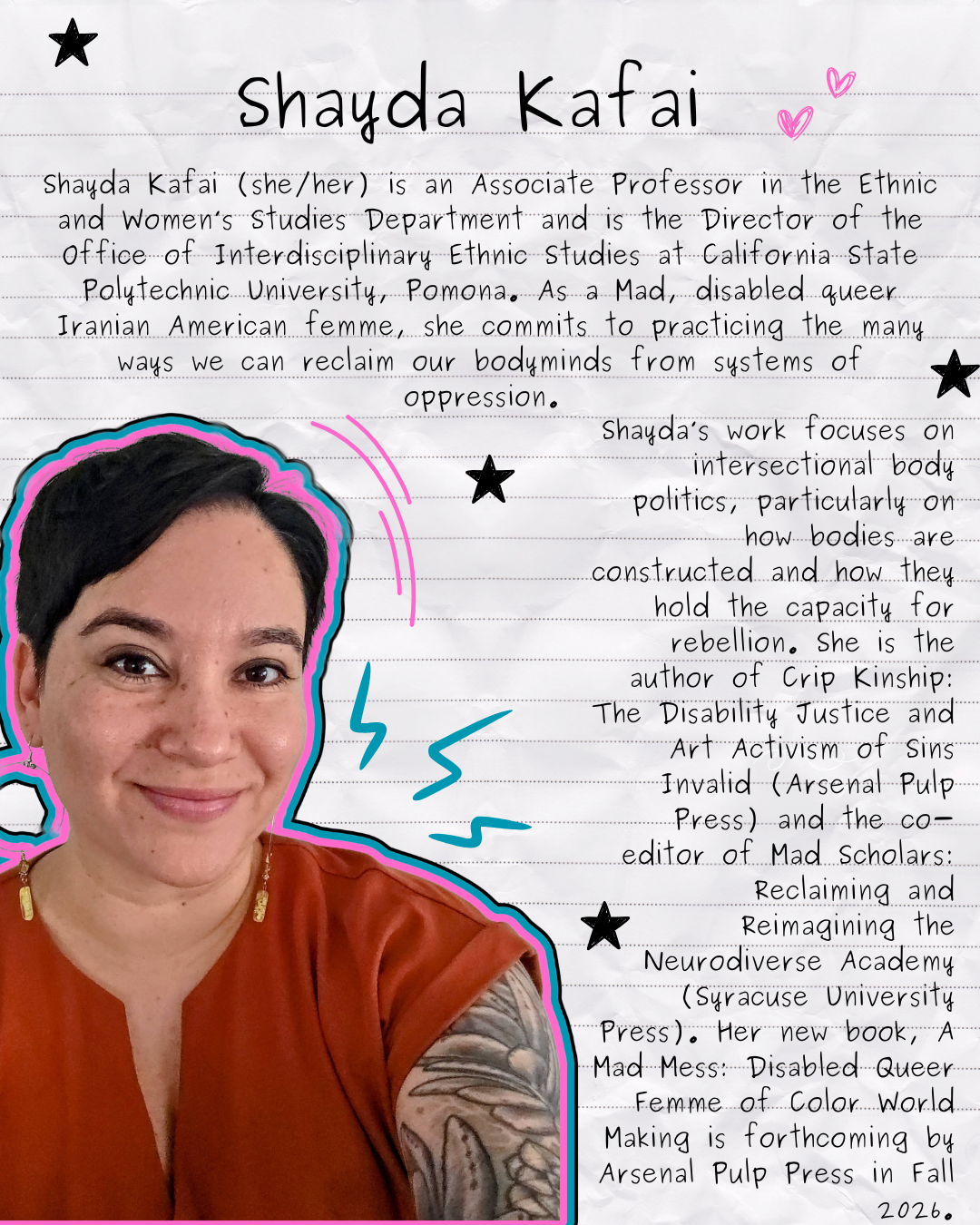
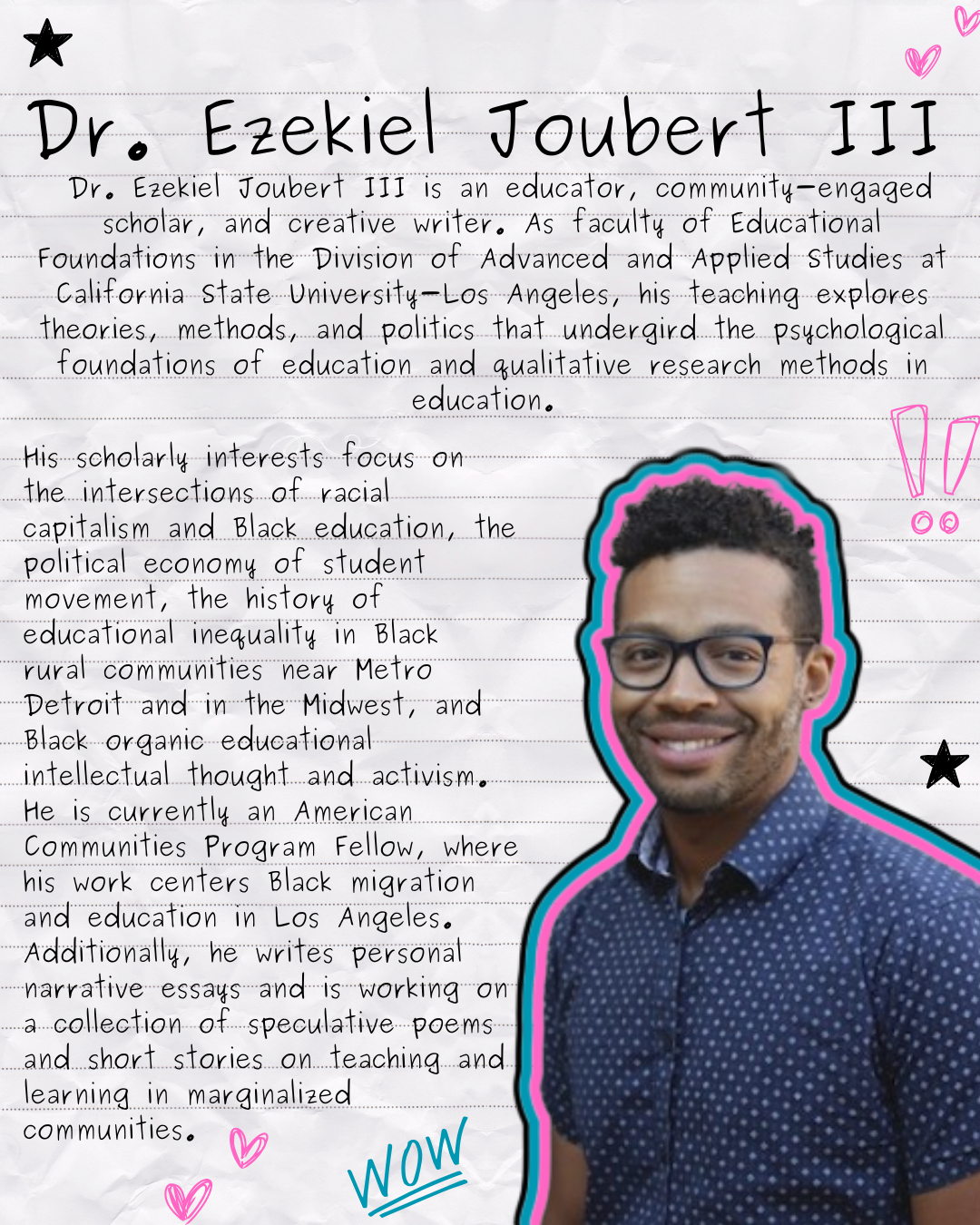
Meet Our Panelist
-
![]()
From Mexico to Palestine
-
![]()
From Mexico to Palestine
-
![]()
From Mexico to Palestine
-
![]()
Disability Justice
-
![]()
Disability Justice
-
![]()
Disability Justice
-
![]()
Disability Justice
-
![]()
Religion During a Time of Weaponization
-
![]()
Religion During a Time of Weaponization
-
![]()
Religion During a Time of Weaponization
-
![]()
Attacks on Gender Non-Conforming Bodies
-
![]()
Attacks on Gender Non-Conforming Bodies
-
![]()
Attacks on Gender Non-Conforming Bodies
-
![]()
De-Colonial Approches to Sex Education
-
![]()
De-Colonial Approches to Sex Education
-
![]()
De-Colonial Approches to Sex Education
-
![]()
Unpacking The Event
-
![]()
Unpacking The Event
-
![]()
Unpacking The Event






What Makes The Vulva Gala Special
We Feature original work by local artists, models sharing lived experiences, educators, and performers. All while using fashion, performance, and interactive installations to conduct complex conversations about bodies and identity.
Centering queer, trans, BIPOC, disabled, and intergenerational voices in a consent-forward environment.
A timely response to national conversations around bodily autonomy, gender identity and inclusive education.
Transforming A Church of Long Beach into a space for body-centered art, education, and healing.


FAQs
Is This an all ages event?
1
YES!!! We welcome people of all genders, identities, ability and.... Ages! We even have activities planned for young ones! Just know some art might bring up some questions for littles. We are here to help you answer them in an age appropriate way!
What is there to do?
2
So much!! There is live musical performances. A Queer BIPOC market. Breakout community learning panels, interactive installations, henna artist, hair braiders, poetry, a pink carpet, a drag performance, tons of photo ops, and of course a vulva fashion show!
Will there be food and a bar?
3
Yes! The incredible mid east eats will be serving up some delicious Palestinian food, you can get your cups filled at the boyfriend bar, and saffron cowboy will be taking care of your caffeine fix.
Is this event just about vulvas?
4
No! The vulva is merely a jumping off point for bigger discussions about bodies, stigma, shame, pleasure and identity. by centering the most stigmatized body part we open the door to conversations that shift the way we think about the body!
How much are tickets?
5
Tickets are priced on a scale from $25-$65 pay what you can! Our goal is to make this event as accessible as possible for all people! We also offer vip packages which comes with a drink ticket, reserved seating and merch if you are feeling like you really want to support our cause!
It’s in a church, is it a religious event?
6
No! Hosting the festival in a church is intentional but not religious. The space serves as a welcoming community setting that invites reflection on how institutions have shaped our relationships to our bodies, while holding space for both healing.
Will the space be accessible?
7
Yes! The space has ramps, elevators and easy access for those with mobility aids. We have multi lingual elements to the event, and masks and hand sanitizer will be available. As a small organization we do our best to esure all people can take part in our event
Will there be filming?
8
Yes! as you may have heard, we have a documentary being made about our work. the vulva gala will be a big part of the film. so smile, you just might be on the big screen if you attend!
GET YOUR TICKETS NOW
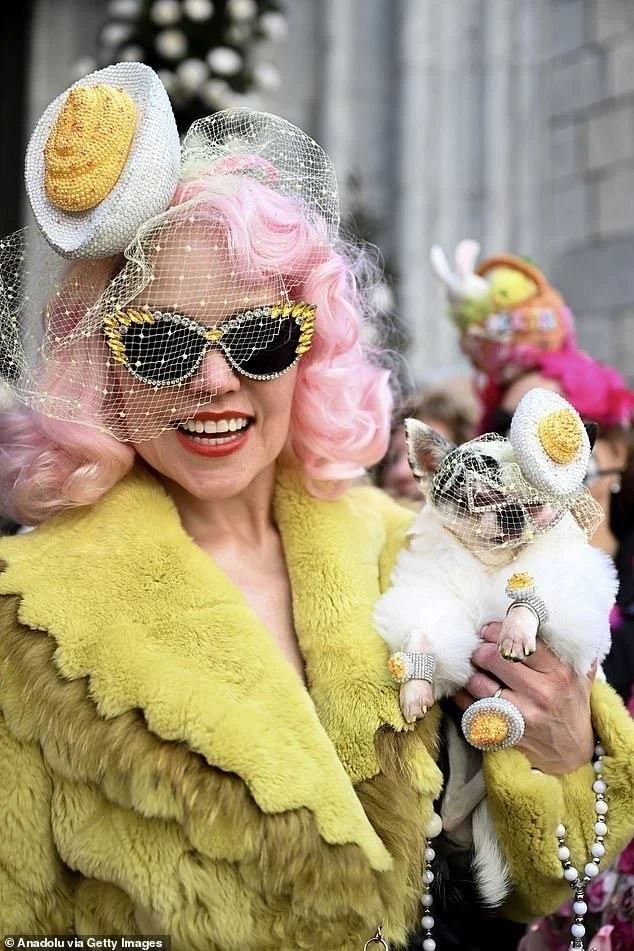
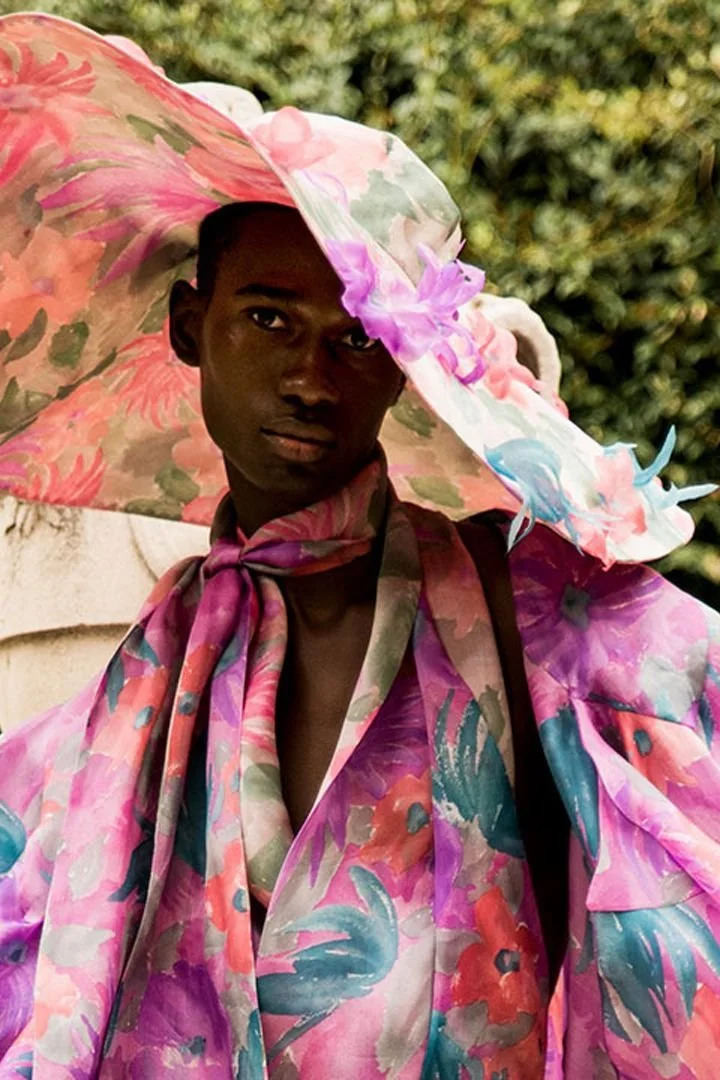
Dress Code:
Holy Glam-
Camp Goes to Church
Every gala needs a theme…
Come dressed to impress in your Sunday best—but make it camp.
Think divine drama, heavenly hats, and fashion that deserves its own altar.